Engineering the Future: Inside Vietnam’s Industrial Momentum
As 2025 closes, Vietnam’s industrial economy enters its most demanding quarter yet. Manufacturing and energy hubs are running at full capacity - balancing export surges, supply chain fluctuations, and increasingly complex compliance audits.
The APME Q4 ManpowerGroup Employment Outlook Survey reveals that employers in Industrials & Materials (+26%), Energy & Utilities (+24%), and Transport, Logistics & Automotive (+32%) report some of the strongest hiring intentions of the year, signaling a regional race for engineering and technical talent.
But the challenge is no longer just about filling headcount. Manpower’s 2025 Automation Report shows that 61% of global companies are increasing investment in industrial and process automation - a figure even higher among those in manufacturing and energy. For Vietnam, this means that tomorrow’s engineers must bring more than technical credentials; they need key skills for engineers that combine technical mastery, digital fluency, and adaptability to automation-driven environments.
In this fast-changing landscape, success depends on more than production uptime - it relies on engineers equipped with the right skills to optimize automation, ensure compliance, and sustain resilience in every operational cycle.
This raises an essential question for business leaders: what are the key skills engineers must master to sustain productivity and innovation in the years ahead?
1. Technical excellence: The foundation of engineering success
At the heart of every engineering discipline lies technical mastery. Companies today seek professionals who can demonstrate not only academic proficiency but also hands-on problem-solving abilities that ensure operational reliability and efficiency.
Key technical skills for engineers:
-
CAD and simulation software (AutoCAD, SolidWorks, CATIA)
-
Industrial automation and PLC programming
-
Process safety and quality management systems (ISO 9001, ISO 45001)
-
Data-driven maintenance (predictive and preventive maintenance systems)
These capabilities enable engineers to maintain productivity while ensuring safety, efficiency, and sustainability - critical to large-scale industrial success.
2. Compliance and safety awareness: Non-negotiable in engineering
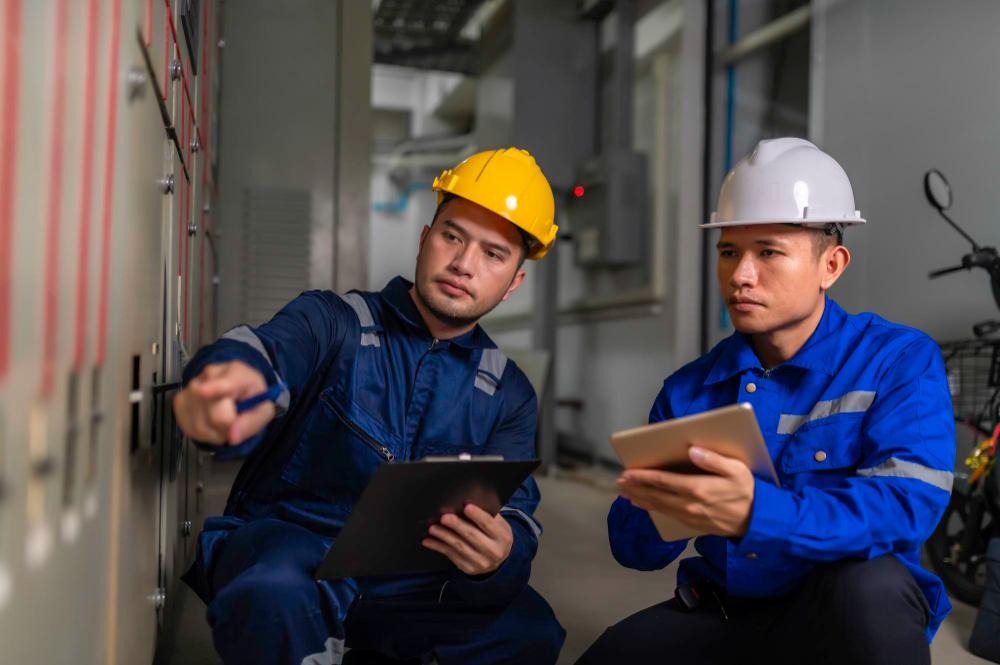
In industries such as Oil & Gas, Petrochemical, and Power Generation, compliance and safety are top priorities. Businesses must ensure their workforce operates within strict regulatory frameworks and adheres to environmental, health, and safety (EHS) standards.
Top compliance-related skills for today’s engineers:
-
Deep understanding of HSE and risk management protocols.
-
Familiarity with local and international compliance standards (API, ASME, IEC).
-
Ability to implement and monitor quality assurance frameworks that ensure operational integrity.
-
Awareness of environmental regulations and safety audits relevant to each industry sector.
3. Digital Fluency: Engineering in the Age of Automation
As Vietnam accelerates toward smart manufacturing and industry 4.0, digital fluency has become indispensable. Meanwhile, almost 70% of global employers believe automation will have moderate to great impact on engineering job roles in the next 5 years. Rather than replacing human expertise, automation is transforming the nature of engineering work - shifting focus from manual tasks to innovation, system integration, and strategic optimization.
Engineers are now expected to integrate core technical expertise with cutting-edge digital tools that enable greater innovation, predictive capabilities, and operational excellence across every stage of production.
Examples of in-demand digital skills for engineers:
-
Industrial IoT and data integration:
Mastery of sensor networks, connectivity, and real-time analytics allows engineers to optimize smart factory operations and achieve predictive maintenance efficiency.
-
Robotics and process automation:
As demonstrated by global manufacturing leaders such as Amazon, automation is enhancing rather than replacing human capability that improving safety, productivity, and creating new technical roles in robotics and systems maintenance.
-
AI and digital twin modeling:
Proficiency in AI-driven simulation and digital twin technologies empowers engineers to predict system performance, minimize downtime, and elevate design precision.
-
Cloud-based project management tools (BIM, SAP, Primavera):
The ability to manage data-intensive projects through enterprise platforms fosters real-time collaboration across global engineering teams and enhances decision-making accuracy.
Organizations that cultivate digitally skilled engineers gain measurable advantages in efficiency, agility, and sustainability. The great news is, only 19% of employees globally fear being replaced by automation, while greater concerns are expressed toward economic instability (34%) or Company restructuring (24%). This indicates a growing awareness that technology serves as an enabler of progress, not a threat to employment.
4. Soft Skills: The Human Advantage in a Digital World
ManpowerGroup’s global research found that nearly one-third of employers say AI cannot replace critical human skills such as ethical judgment (33%), personalized customer service (31%), team management (30%), and strategic thinking (27%). In modern engineering roles, success depends not just on designing systems, but on working effectively with people - across teams, clients, and stakeholders. Engineers must communicate clearly, manage projects, resolve conflicts, and adapt quickly to change - skills that machines can’t replicate, and that are increasingly valued by employers.
Key soft skills in engineers desired by businesses:
-
Communication: Ability to explain complex ideas clearly to non-technical teams, clients, and stakeholders - ensuring alignment and avoiding costly misunderstandings.
-
Collaboration: Modern engineering projects are cross-functional; working well with others boosts productivity and innovation.
-
Analytical thinking and problem solving: As new technologies evolve rapidly and cybersecurity threats emerge daily, engineers must think critically and act swiftly to design resilient solutions and troubleshoot issues in real time.
-
Leadership: Even junior engineers often take initiative or guide others - leadership skills help drive progress and motivate teams.
-
Adaptability and continuous learning: With technologies evolving rapidly and engineering tools constantly updating, engineers must stay flexible and open to learning. Whether it’s mastering new software, responding to cybersecurity threats, or adjusting to shifting project demands, those who continuously upskill and adapt are better equipped to stay relevant and lead innovation.
5. Financial and project management acumen
With energy and infrastructure projects growing in complexity, financial understanding has become a crucial engineering competency. Engineers who grasp cost control and resource optimization can bridge technical and business objectives effectively.
Core financial and project management skills for engineers:
-
Budgeting and cost estimation: A basic understanding of organizational finance like budgeting and cost estimation help engineers – especially senior roles - keep projects within financial constraints without compromising productivity.
-
Risk identification and mitigation: Engineers with a risk-aware mindset who can apply frameworks like ISO 31000 or FMEA are better equipped to manage uncertainty and drive project success, which are crucial to avoid project delays or compliance failures, particularly in Oil & Gas, Power Generation, and Construction
-
Resource and timeline management: Engineers who are familiar with process optimization methodologies like Lean Manufacturing and Six Sigma can streamline workflows, eliminate inefficiencies, and keep projects on track from concept to completion.
6. Sustainability and ESG alignment
Engineering plays a vital role in achieving corporate sustainability goals. From renewable energy systems to carbon reduction solutions, businesses now seek engineers who can drive the transition toward greener operations.
High-value sustainability skills for engineers:
-
Renewable energy systems design
-
Energy auditing and lifecycle assessment
-
Sustainable materials development
-
Environmental impact compliance (EIA)
Hire skilled engineers with Manpower Engineering
Manpower Engineering is a specialized division of Manpower Vietnam that delivers top-tier recruitment solutions across the Oil & Gas, Petrochemical, and Power Generation sectors, connecting businesses with highly skilled engineers ready to perform from day one.
How Manpower Engineering can help your business:
-
Compliance & Safety Focus: Rigorous screening for certification and safety performance.
-
Industry-Specific Knowledge: Deep understanding from upstream to downstream operations.
-
Proven Track Record: Successful placements with global energy operators and EPCs.
-
Fast & Accurate Delivery: We commit to meeting your project timelines with agility and precision. Whether you’re hiring for short-term shutdowns or urgent project expansions, our proven recruitment process ensures timely delivery of qualified talent without compromising quality.
-
Global Talent Network: Manpower Vietnam has built an extensive pool of professionals across regions and disciplines, while also partnering with universities and vocational training centers nationwide to develop talent pipelines from an early stage.
Whether you need technical specialists, project engineers, or senior EPC professionals, our team delivers talent that drives performance and compliance from the very first day.
Workforce Solutions & Key Engineering Sectors
We provide end-to-end workforce management across critical engineering sectors - including Defence & Aerospace, Automotive, Built Environment, Manufacturing, and Renewables.
Our services cover the full talent lifecycle, from Contingent Workforce Management, Employer of Record, and Payroll Services to Permanent Recruitment, RPO, and Green Talent Solutions that ensuring your business stays productive, compliant, and future-ready.
Partner with experts in Engineering recruitment
In Vietnam’s dynamic industrial landscape, the right engineering talent can make or break project success. Partnering with Manpower Vietnam means working with experts who understand your sector’s complexity, compliance demands, and performance expectations.
Collaborate with reliable engineering recruitment specialists in Vietnam and convert talent challenges into strategic advantages. Contact us.