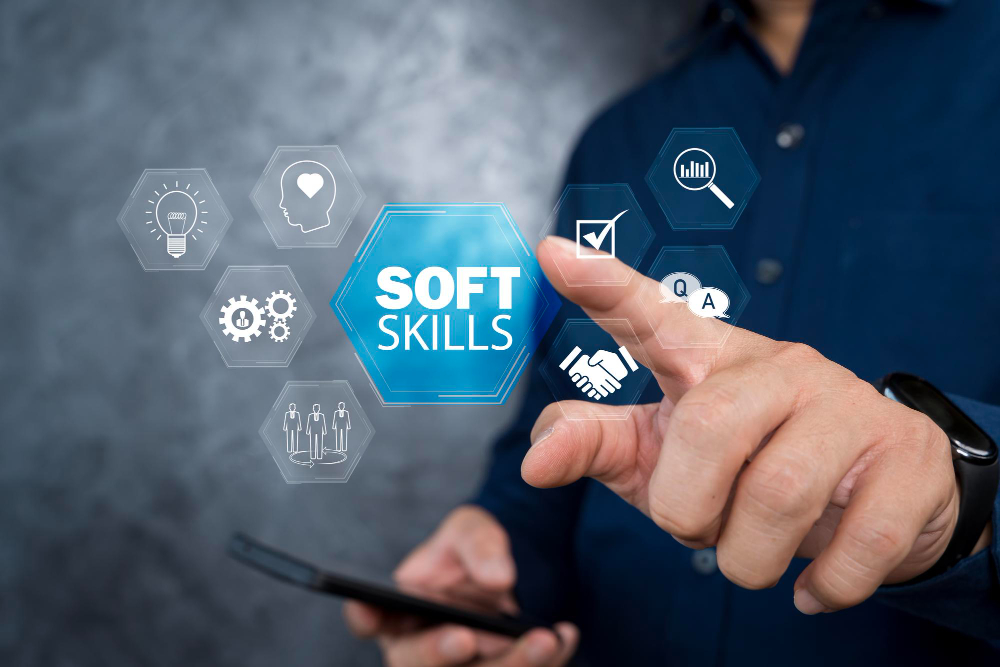
As technology evolves at lightning speed, professionals often focus on keeping up with technical skills. Yet in today’s world of work, what truly sets you apart isn’t coding or data analysis -it’s soft skills.
According to ManpowerGroup’s 2025 APAC Talent Shortage Report, nearly 4 in 5 employers (77%) in the region report difficulty finding the skilled talent they need - the highest in a decade. Beyond IT and data capabilities, employers say the most challenging qualities to find are communication, adaptability, collaboration, and problem-solving - the very soft skills that drive performance and resilience in a fast-changing workplace.
They form the foundation of every successful career, empowering professionals to build trust, lead teams, and navigate change with confidence.
In this guide, you’ll explore:
-
What soft skills are and why they matter more than ever
-
How they help you stand out in the digital workplace
-
Practical ways to strengthen your soft skills daily
-
Tips to showcase them effectively in interviews and long-term career growth
What are soft skills?
Soft skills, often known as “people skills” or “human skills,” are the essential personal attributes that define how you communicate, collaborate, and lead. Unlike technical abilities that apply to specific tools or job functions, soft skills determine how effectively you perform, connect with others, and adapt to changing environments.
In today’s competitive job market, employers place increasing value on professionals who demonstrate strong soft skills such as:
-
Communication: The ability to express ideas clearly, listen actively, and foster mutual understanding.
-
Teamwork: Working cooperatively with colleagues to achieve shared goals and maintain a positive work culture.
-
Problem-solving: Applying critical and creative thinking to identify solutions and overcome challenges.
-
Adaptability: Remaining flexible, resilient, and open to change in dynamic work settings.
-
Time management: Organizing tasks efficiently to meet deadlines and maintain productivity.
-
Leadership: Guiding, motivating, and inspiring others - even without holding a formal leadership title.
-
Emotional intelligence: Understanding and managing your own emotions while empathizing with others to build strong, trustworthy relationships.
While technical skills may evolve with new technologies, soft skills are timeless. They enhance performance, strengthen professional relationships, and empower individuals to succeed in any industry, job role, or work culture. For today’s employers, these human capabilities signal the kind of talent that not deliver results, but also grows with the team, adapts to change, and makes a lasting impact.
Why soft skills matter in every career

Having strong soft skills can completely transform your career. They influence not only how well you perform at work, but also how far you can grow.
Here are some key benefits of developing your soft skills:
1. Build stronger relationships
Effective communication and empathy help you earn trust and respect from colleagues and clients. This lays the foundation for stronger relationships, better collaboration, and a more positive work environment - all of which contribute to long-term success.
2. Increase career opportunities
Employers value candidates who can solve problems, manage conflict, and work well with diverse teams. These are the traits that make you a valuable asset to any team, opening doors to new roles and promotions.
3. Enhance adaptability
When change happens - a new process, new manager, or even a global disruption - people with strong soft skills adapt faster. They stay calm, focused, and solution-oriented, helping teams stay productive in uncertain times.
4. Strengthen leadership potential
Whether you’re leading a project or mentoring a colleague, leadership starts with soft skills. Emotional intelligence, communication, and active listening are the building blocks of influence and trust, effectively preparing yourself for any leadership role in the future.
5. Boost confidence and job satisfaction
Mastering soft skills gives you a sense of control and confidence in how you handle workplace challenges. You become more resilient, optimistic, and proactive –enhancing your professional performance and overall job satisfaction.
Mastering Soft Skills to Thrive in Today’s Workplace
Here is the good news: Though not everyone is born a natural communicator or empathetic leader, soft skills can be learned - through intention, reflection, and consistent practice.
Here are a few simple ways to start improving your soft skills today.
1. Learn through online platforms
Take advantage of online learning platforms such as Coursera, LinkedIn Learning, and Udemy, which offer all kinds of specialized courses - from communication, analytical thinking to time management, emotional intelligence, and conflict resolution.
If you’re a Manpower associate, you also have free access to MyPath, ManpowerGroup’s global career development program. MyPath includes personalized upskilling courses, certifications, and assessments to help you strengthen both your technical and soft skills.
2. Practice active listening
You may wonder, what's the point of just sitting there and listening? But active listening is a powerful, free opportunity to learn from others, reflect deeply, and grow personally-while also building empathy, attentiveness, and insight.
Here’s how to start:
-
Focus fully on the speaker - Give your undivided attention and avoid distractions.
-
Avoid interrupting - Let the speaker finish their thoughts before responding.
-
Reflect back what you hear - Paraphrase or summarize to confirm understanding and show you’re engaged.
3. Ask for constructive feedback
Invite your peers or supervisors to share how they perceive your communication, teamwork, and problem-solving style. Use their feedback to identify growth opportunities and refine your approach.
4. Get involved in group activities
Join networking groups, volunteer projects, or professional communities. These experiences help you practice teamwork, negotiation, and communication in real-world settings.
5. Simulate real scenarios
Try role-playing job interviews, presentations, or conflict situations with a friend or mentor. It’s a practical way to build confidence and learn how to manage tone, expression, and body language effectively.
Showcasing soft skills in job interviews
When you apply for a job, your soft skills often make the strongest first impression - sometimes even more than your technical background.
In both in-person and online interviews, recruiters evaluate how you listen, communicate, and process information. Meanwhile, confidence, empathy, and professionalism can set you apart and leave a lasting impact that go beyond your resume.
To highlight your soft skills:
-
Use real examples that show your collaboration or problem-solving in action.
-
Stay calm under pressure and show curiosity.
-
Demonstrate emotional intelligence through empathy and clear communication.
Soft skills: The human advantage in a digital age
As automation continues to transform the world of work, soft skills have become the defining strength that keeps people and organizations ahead.
Machines can perform tasks, but only humans can connect, inspire, and create change. That’s why developing your soft skills is not just good for your current job - it’s essential for building a future-proof career.
Grow your career with Manpower Vietnam
Your career deserves to move forward with the times. At Manpower Vietnam, we empower you to grow with the future - equipping you with the right skills, mindset, and confidence to succeed wherever opportunity leads.
Learn how we support professionals in building future-ready careers through cross-training and continuous development HERE.