


In recent years, Vietnam has rapidly emerged as a strategic investment for many multinational manufacturers. According to the National Statistics Office, the Manufacturing industry recorded a 9.97% in GDP - the highest growth rate between 2019 and 2025 – which, accounting for over 70% of the total registered FDI. Additionally, the influx of major players in electronics, mechanics, and high-tech fields makes Vietnam a recruitment hotspot for engineers and technicians.
Despite the sector’s expansion, high-tech and industrial firms are struggling with a severe talent shortage.
The surging demand for Aviation engineers
The Aviation Maintenance – Repair – Overhaul (MRO) sector provides a clear snapshot of this widening talent gap. Industrial analyses indicate that the Asia – Pacific (APAC) region will need 119.000 more aircraft maintenance technicians over the next decade. Furthermore, Southeast Asia is expected to lead the global demand, with Vietnam rising as a new MRO hub. As a result, young talent is given access to roles with more lucrative income and standardized training programs.
Yet, these unprecedented opportunities come with great challenges.
Principal obstacles: A lack of job-ready skilled workers
While Vietnam boasts an abundant workforce, the quality of its human capital, especially in technical fields, remains a critical bottleneck. According to the Ministry of Home Affairs' Q4/2025 Labor Market Report, Vietnam has 53.8 million workers; however, only 30% of them hold formal training or professional certifications. Meanwhile, foreign direct investment (FDI) companies increasingly demand a pre-trained workforce.
Foreign language proficiency presents another major barrier. The demand for engineers fluent in English or Chinese is surging, yet experts note that language limitations continue to hinder Vietnamese workers in a globalized market.
Furthermore, a lack of soft skills, particularly adaptability, remains a vulnerability, stemming from training programs that overemphasize technical theory. ManpowerGroup’s Talent Shortage Survey underscores that 74% of professional services and engineering firms, alongside 68% of manufacturers in the APAC and Middle East (APME) regions, struggle to find candidates with the right mix of hard and soft skills. Thus, this reality is prompting companies to invest in training and forge partnerships with recruitment solutions companies.
Manpower bridges the gap between businesses and academia
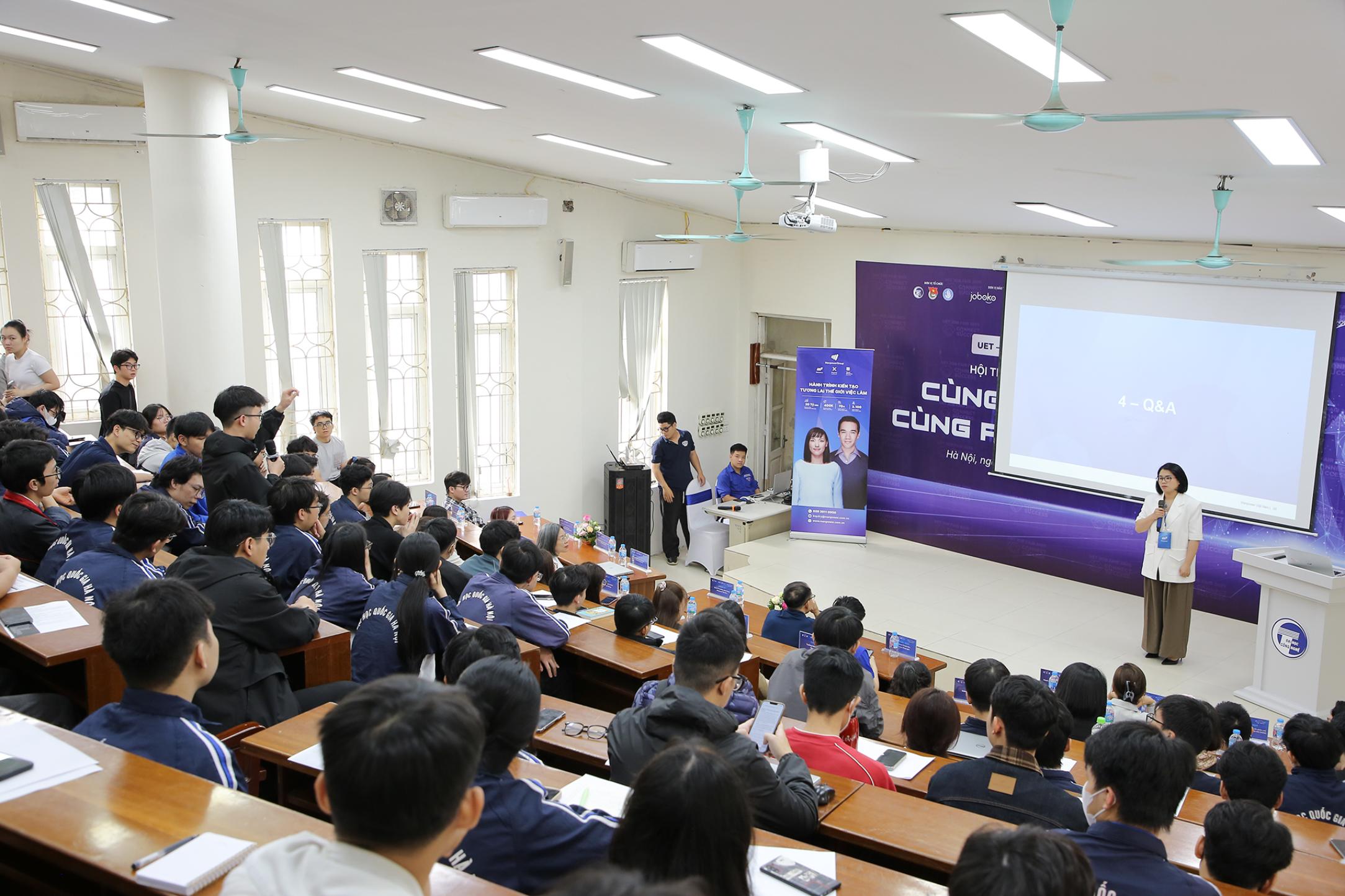
Recognizing these structural challenges, Manpower Vietnam has partnered with several FDI enterprises to bring practical career orientation directly into universities. These programs go beyond basic industry introductions: They are designed to help students understand the profession realities, the job market dynamics, and employers’ expectations.
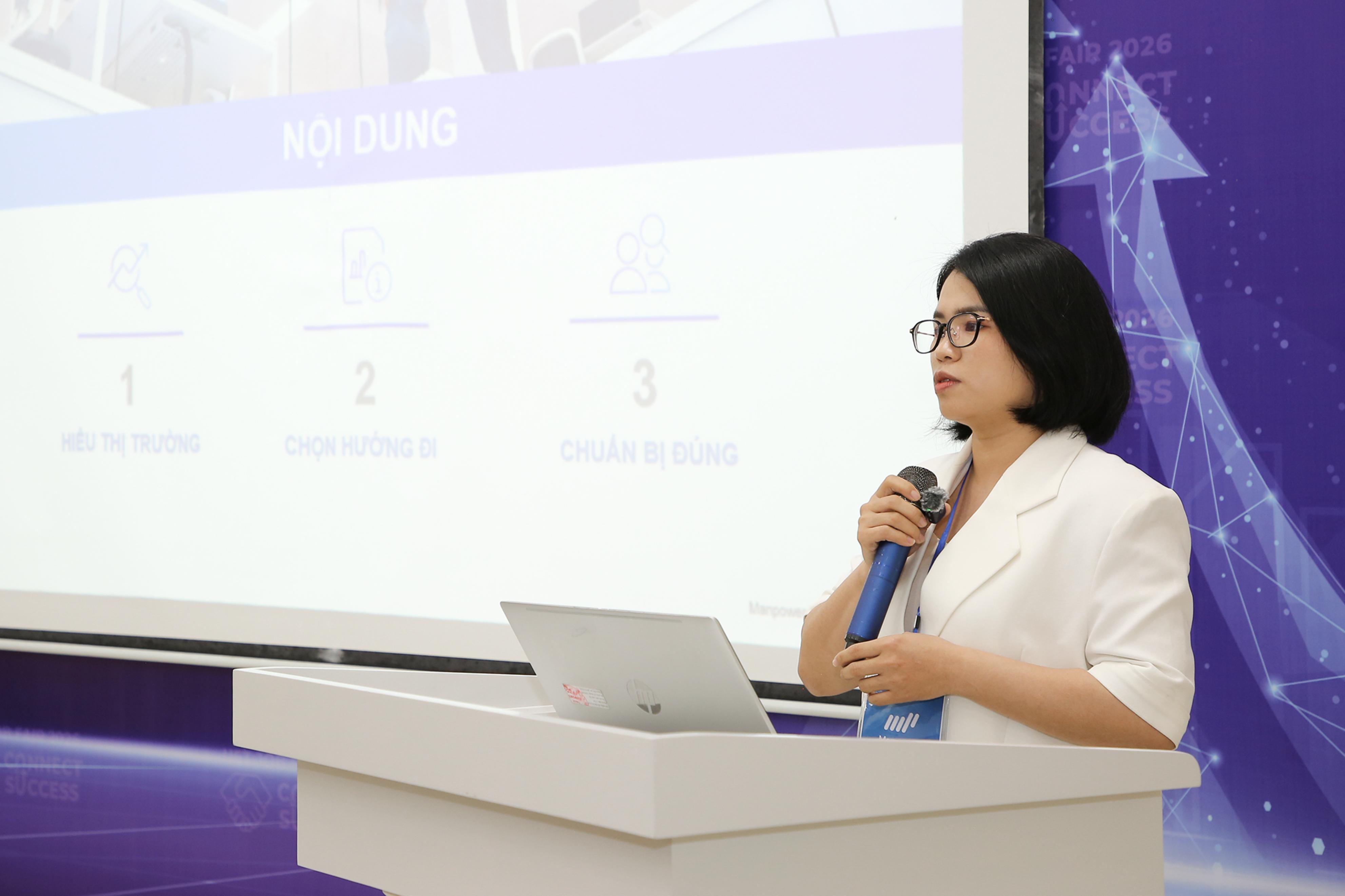
This approach delivers a dual benefit: students gain a clear, realistic view of their career trajectories, while businesses can identify and nurture top-tier talent early. At the recent UET Career Fair 2026, hosted by the University of Engineering and Technology – Vietnam National University, this model successfully connected engineering students with direct career paths at major corporations such as HAECO and LITEON.
Expanding horizons at HAECO, LITEON, and beyond
HAECO Group stands out among firms driving aggressive recruitment. Its Aircraft Engineer Licensing Trainee (AELT) program – an internationally standardized training pathway - has drawn thousands of applicants by offering a clear career roadmap, competitive pay, and global exposure. It remains one of the few models in Vietnam that allows young candidates to build a career strictly aligned with international MRO standards.
In the electronics sector, Manpower Vietnam is partnering with LITEON to fill a massive volume of roles across electrical, electronic, mechanical, quality assurance, and manufacturing divisions. As a critical link in the global tech supply chain, LITEON offers young professionals the chance to work directly on advanced production lines and build a foundation in a world-class FDI environment.
Vietnam’s engineering sector is entering its most robust growth phase in years. However, these opportunities are only reserved for candidates who proactively build the foundational knowledge and practical skills required to meet global standards. For students and young professionals, now is the prime time to invest in your career readiness and secure a role in a sustainable, high-growth environment.
👉 Explore engineering job opportunities with Manpower Vietnam.