If there is one constant in the world of engineering, it is technological innovation and it’s happening faster than ever before. Every year, new technologies, from artificial intelligence to 5G-powered factories, reshape how engineers design, build, and optimize the world around us. Recent innovations in engineering are driving this transformation, making industries more efficient and connected.
In Asia Pacific & Middle East region, more than 28% of employers are expanding teams to adopt advanced technologies. As Vietnam is emerging as a strategic hub for global manufacturing and supply chain operations amid growing trade and geopolitical tensions, the right combination of technology and skilled engineers is the foundation of industrial transformation.
Let’s explore five engineering breakthroughs that are already transforming industries and will continue to have a long-lasting impact on how we work, build, and innovate.
5 emerging technologies in engineering
1. AI & predictive analytics
AI has transformed engineering into a data-driven discipline. Through predictive analytics, businesses can forecast maintenance needs, reduce breakdowns, and optimize resources, especially in industries like aviation, energy, and manufacturing. As in the energy sector, an AI-powered system identifying early turbine issues can help teams like General Electric (GE) repair proactively boost efficiency by 10% and reduce unexpected outages. In manufacturing, GE’s AI-powered system monitors critical machinery in real time, detecting irregularities early to reduce maintenance costs by 30% and enhance overall efficiency.
In Vietnam, AI-driven manufacturing tools are boosting real-time production monitoring and supply chain precision, allowing factories to turn terabytes of data into actionable insights. Think of it as the difference between fixing problems and preventing them. These AI solutions are part of the most impactful recent engineering innovations.
2. Robotics and smart automation
In the age of robots, collaborative robots (cobots) work alongside humans. Modern robotics now combines mechanical precision with intelligence, as AI integration enables robots to perceive, learn, and adapt in real time through computer vision, machine learning, and natural language processing. It can say that this innovation in engineering has defined the new era of industrial efficiency when cobots are deployed across automotive, electronics, and logistics sectors.
According to ManpowerGroup’s 2025 Automation Whitepaper, 60% of industrial and manufacturing enterprises in Asia Pacific are partly or totally increasing their investment in automation and digital platforms.Automation is also reshaping every business function globally, from IT to HR as 76% of employers expecting significant change in IT & Data roles and over 70% in other areas like manufacturing, logistics, and data ecosystems sales. Businesses using robotics see faster production, fewer errors, and happier teams freed from monotonous tasks.
As businesses integrate robotics into their operations, workforce transformation and safety must be top priorities. Companies are urged to invest in upskilling and reskilling programs to help employees transition into roles managing, maintaining, and analyzing robotic systems. Encouraging human-robot collaboration (HRC) ensures that cobots work safely and efficiently alongside people.
At the same time, firms need to implement comprehensive safety measures, including fail-safes, emergency stop functions, and compliance with international standards, to protect both workers and productivity.
3. Digital twins and simulation engineering
Imagine creating a virtual replica of your factory, bridge, or airplane before you even build it. That’s what digital twin technology does and it’s changing everything. Digital twins replicate real-world systems in a virtual environment, allowing engineers to test designs before physical implementation. The result? Lower prototyping costs, safer operations, and faster time to market.
This innovation has been used in improving various aspects from businesses to governments such as smart factories (Bosch), infrastructure and urban planning (Singapore and Shanghai), and aerospace and automotive engineering (NASA). For Vietnam’s industrial transformation, digital twin technology is key to achieving green transformation goals, helping companies fine-tune energy use and reduce carbon footprints without sacrificing performance.
4. Sustainable and advanced materials
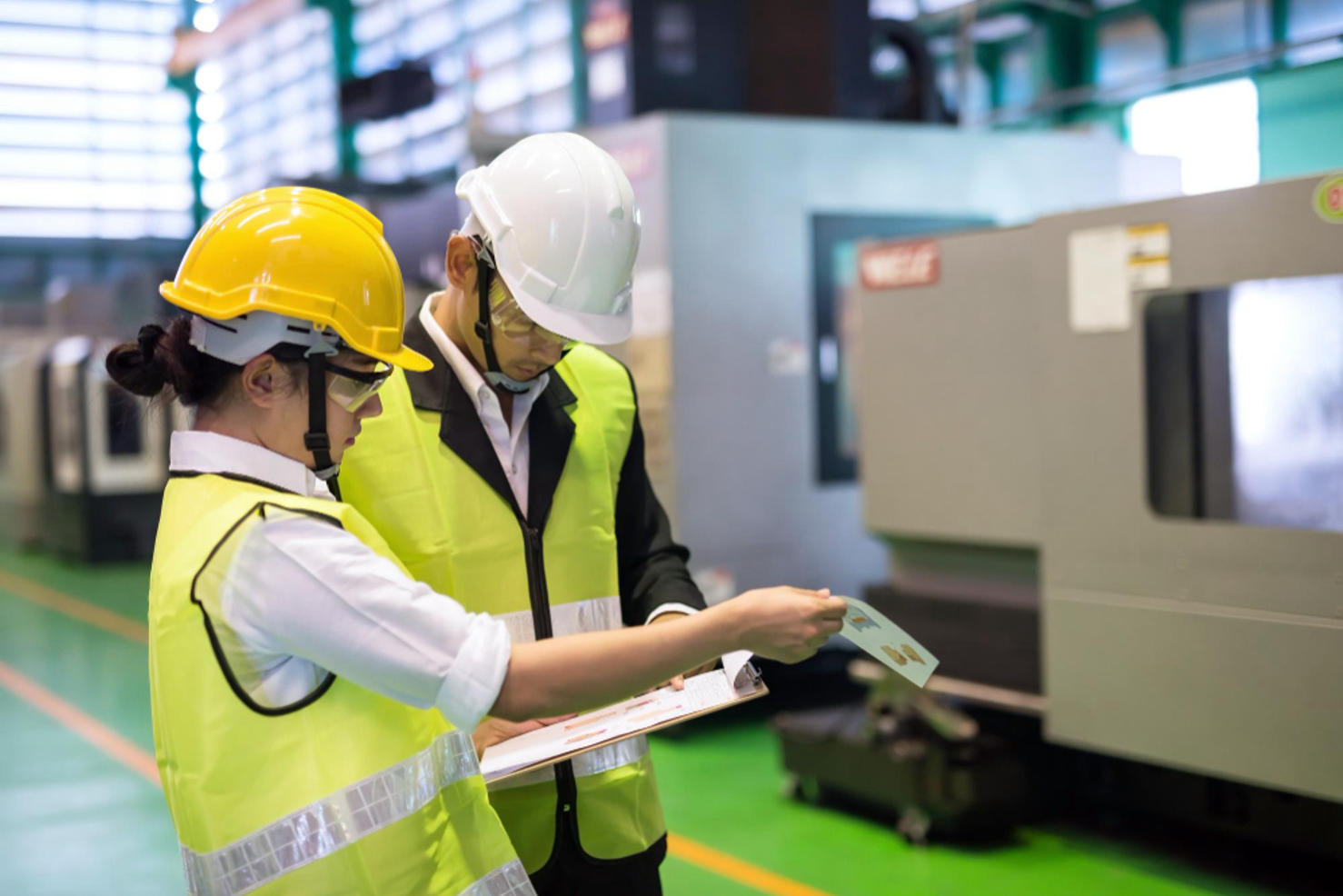
Engineering is no longer just about strength and performance;, it is about sustainability. It’s about building smarter and greener. Across Vietnam and beyond, engineers are adopting next-gen materials like self-healing concrete, bio-based composites, and ultra-light alloys to reduce emissions, cut waste, and extend product lifecycles. These innovations in engineering make infrastructure not only tougher but also more sustainable and cost-efficient.
Leading companies like IBM and Google are using quantum simulations to model molecular interactions, unlocking faster discovery of materials for better batteries, greener energy storage, and even medical breakthroughs. For businesses, this is innovation with impact. Embracing advanced, eco-efficient materials boosts ESG performance, attracts green investment, and aligns with Vietnam’s Net-Zero 2050 goals, turning sustainability into a true competitive advantage.
5. The impacts of 5G
Let’s get one thing straight, 5G isn’t just about faster downloads. It’s the backbone of the next industrial revolution. With ultra-low latency and lightning-fast connections, 5G lets every sensor, robot, and machine talk to each other in real time. Imagine engineers monitoring entire production lines or offshore wind farms from miles away, all with instant feedback and precision that old networks could only dream of.
Now picture what happens when 5G meets automation. Smart factories come alive, robots coordinate seamlessly, drones track construction sites, and digital twins update in real time. AR and VR tools suddenly feel natural, letting teams design, train, and troubleshoot from anywhere. This is how manufacturing gets faster, safer, and definitely more connected.
However, more connectivity means more responsibility. As the number of connected devices skyrockets, so does the need for strong cybersecurity, scalable infrastructure, and smart ecosystem management. Engineering leaders must think beyond technology, planning for secure, resilient networks that can grow with demand
What do recent innovations in engineering mean for businesses and their workforce?
For engineering-led enterprises, smart automation and predictive systems enhance productivity and output consistency, while green manufacturing and ESG-focused solutions improve brand reputation and global compliance. Besides its support function, the automation and predictive system is a strategic engine of growth, shaping how organizations compete, scale, and adapt in a data-driven economy. Companies embracing recent innovations in engineering are setting new standards for this industry.
But here’s the catch, technology means nothing without talent. Across Asia Pacific, engineering remains the top 2 hardest to find skill in 2025. Future-ready engineers need to think like data scientists, design like innovators, and build with sustainability in mind.
Here are three strategic priorities every company operating in Vietnam should focus on.
1. Develop a continuous learning culture
Technology evolves fast, your people should evolve faster. Companies that integrate structured learning programs maintain higher productivity and retention.
2. Adopt flexible workforce models
Engineering projects rarely wait for perfect timing. They demand agility and the right expertise, right now. Therefore, flexible staffing models allow organizations to mobilize niche skills quickly and manage costs effectively, especially in electronics, renewable energy, and smart manufacturing.
3. Lead with empathy, not just efficiency
Our data found that 19% of global workers are concerned about being replaced by AI or other automation technology. Hence, businesses that cultivate empathy, human connection, and supportive teamwork will not only ease employees’ growing anxieties but also unlock their creativity and commitment, driving lasting innovation and sustainable success.
Manpower Engineering is here to help
Manpower Engineering helps businesses implement recent innovations in engineering through training, deployment, and strategy support. As trusted by various engineering leading companies in Vietnam such as Long Son Petrochemical Complex, HAECO Group, and LITEON Vietnam among others, we help turn ideas into measurable impacts, from strategy and training to deployment and analytics.
Partner with Manpower Vietnam today to create an engineering workforce ready to drive your business forward.