Table of Contents:
Key Traits of Vietnam Work Culture
Vietnam’s professional scene is like a perfectly brewed cup of Vietnamese coffee - strong, layered, and full of surprises. Centuries of Confucian values - respect for hierarchy, loyalty, and collective harmony - still influence daily interactions. At the same time, the rise of a digital economy and Gen Z workforce is reshaping norms toward openness, innovation, and speed.
According to Vietnam’s General Statistics Office (GSO), Vietnam’s economy is gaining strong momentum, with GDP in the second quarter of 2025 estimated to grow 7.52% year-on-year—the highest growth rate recorded during the 2021–2025 period. This robust expansion highlights how tradition and transformation now coexist across offices, factories, and startup hubs nationwide
1. Respect Runs Deep
Hierarchy matters in Vietnam work culture. Titles and seniority are more than formalities; they signal experience and wisdom. Showing courtesy to leaders and elders - whether through polite greetings or thoughtful emails will earn trust faster than you can say “xin chào”.
2. Team Spirit Above All
“No man is an island” rings especially true in Vietnam. Decisions often come after group discussions, where consensus keeps the workplace humming smoothly. Titles and seniority signal both experience and wisdom, so polite greetings, thoughtful emails, and deference to leaders help build trust quickly. Employees are often reluctant to challenge superiors directly, even when they hold different views. This collaborative mindset is a defining element of Vietnam work culture.

3. Adaptability Is a Superpower
4. A Hunger to Learn
5. Graceful Communication
6. Education is a Badge of Honor
7. Respect Work-Life Balance
Vietnam’s workforce, dominated by Millennials and Gen Z, sees work-life balance as non-negotiable. Sending emails or making calls after hours is often frowned upon. Midday naps are common in many offices, with lights turned off after lunch for a brief rest. Long-term commitment is valued - employees want to feel that their contributions matter and that they’re part of a bigger mission. Foreign professionals who recognize these nuances build trust and avoid cultural missteps.
Thinking about relocating to Vietnam? Follow our checklist for oversea Vietnamese professionals here.
Differences of Work Culture in Big Corporations vs. SMEs
Vietnam’s fast-changing labor market reveals a widening gap in how companies nurture workplace culture, from long-established giants to rising SMEs.
• Large enterprises such as FPT, Vingroup, Viettel, and multinational firms see culture as a strategic asset. With stronger finances and established systems, they invest in leadership programs, innovation hubs, and employee engagement initiatives to attract top talent.
• SMEs, on the other hand, often prioritize survival - managing cash flow, production, and daily operations - leaving culture as a “nice-to-have.” Many adopt copy-paste policies from bigger firms without tailoring them to their unique DNA, resulting in a culture that feels forced or inconsistent.
This divide is more than academic. As Manpower notes, companies with authentic, purpose-driven cultures enjoy up to 40% higher talent retention, a critical advantage in a market where skilled labor demand outpaces supply.
Generational Shifts: How Gen Z Redefines Vietnam Work Culture
According to data from the General Statistics Office, Gen Z will account for one-third of Vietnam’s workforce by 2025. This digital-native generation demands more than a paycheck. They value:
- Purpose and social impact over hierarchy.
- Flexible work arrangements and hybrid models.
- Continuous learning and career mobility.
“Gen Z doesn’t just work for you - they work with you.” Employers who ignore these expectations risk losing talent to more progressive competitors. This generational change is rewriting the rules of work culture in Vietnam for years to come.
How to succeed in Vietnam Work Culture: Practical tips for foreign professionals
1. Respect the Hierarchy, but Speak Up
2. Build Relationships First, Deals Later
3. Adapt to “Vietnam Time”
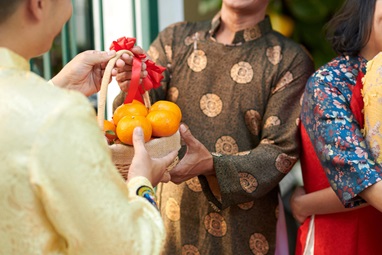
4. Understanding the Gift Culture on Key Holidays
5. Invest in Upskilling
6. Embrace the Hybrid Future
Vietnam’s growth story isn’t limited to manufacturing. The ManpowerGroup Vietnam's Salary Guide 2025 identifies consumer goods, renewable energy, fintech, and logistics as high-potential sectors. Foreign professionals with skills in digital marketing, supply chain management, and sustainable operations will find abundant opportunities.
Final Takeaways for Career Success in Vietnam
Making it in Vietnam isn’t about abandoning who you are - it’s about blending your strengths with the country’s unique rhythm. Whether you join a tech giant with a well-oiled culture or a nimble SME hungry for growth, understanding the nuances of Vietnam work culture is your passport to success. Mastering the subtle balance of hierarchy and innovation is what sets leaders apart in Vietnam work culture today.
As the Vietnamese saying goes, “Nhập gia tùy tục” - when you enter a new home, follow its customs. Master the balance of tradition and innovation, and you’ll not only work in Vietnam—you’ll thrive here.
Now is the time to sharpen your skills and seize Vietnam’s dynamic future - explore career opportunities with Manpower Vietnam to take your next big step.