


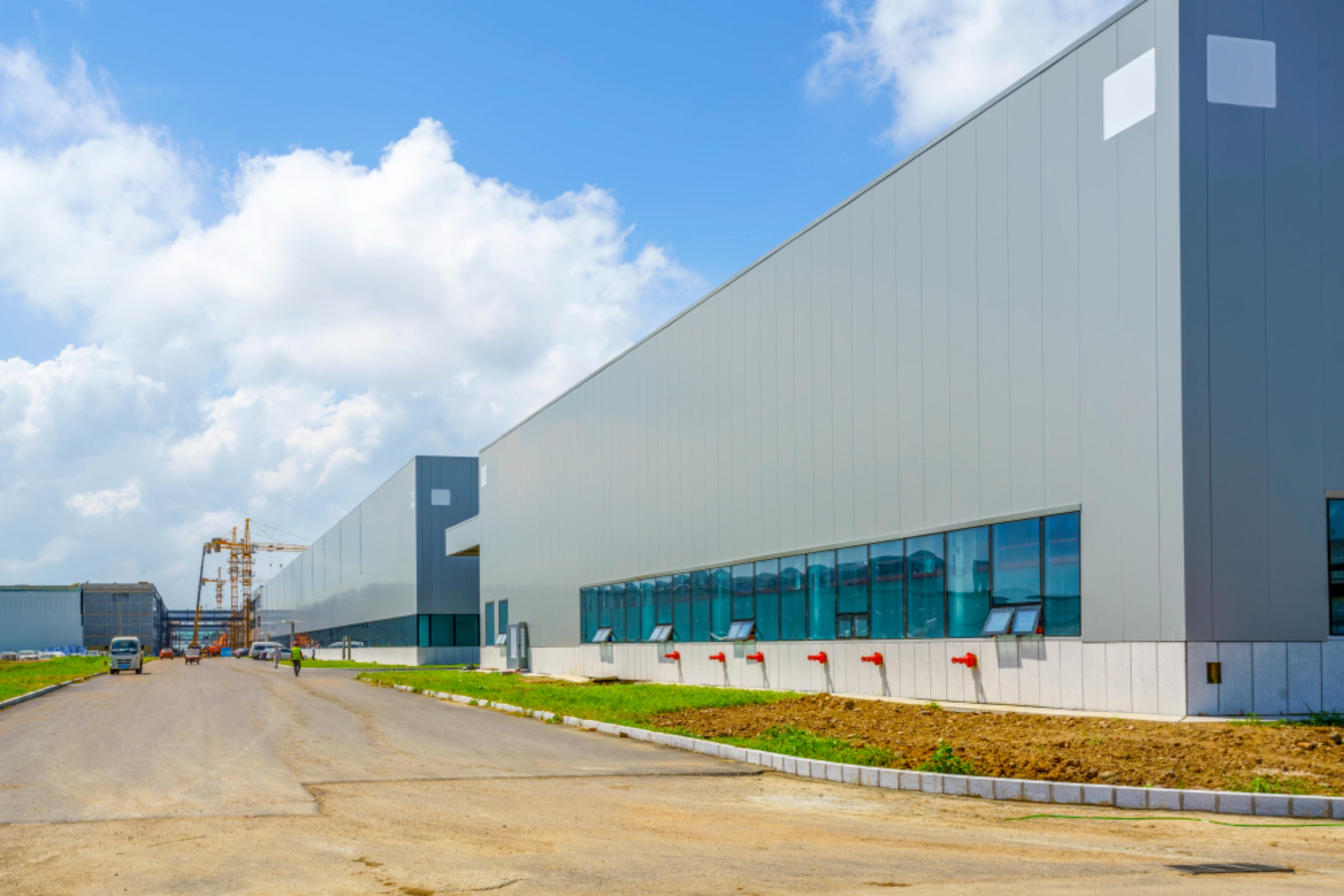
In Part 1 of this series, we explored the strategic realities foreign companies must understand when planning market entry in Vietnam. Part 2 focuses on execution.
Once the investment decision is made, the real challenge begins: building a workforce that can support production timelines, meet quality standards, and adapt to Vietnam’s fast-changing labor market.
This is where workplace planning in Vietnam becomes a strategic differentiator rather than an administrative task.
Why Workplace Planning Determines Operational Success
Workplace planning is often misunderstood as headcount forecasting. In reality, it directly affects:
- Time to operation
- Productivity and quality
- Compliance and risk exposure
- Retention and workforce stability
Vietnam’s labor market is increasingly competitive, particularly for engineering, technical, and supervisory roles. Companies that rely on last minute hiring often encounter delays, escalating costs, and high turnover - all of which undermine production targets.
Effective workplace planning aligns business objectives with labor market realities.
Case Study: Building a Workforce for a USD 9B New Plant
A major international oil & gas investor launched a USD 9 billion greenfield project in Southern Vietnam. The challenge was not only scale, but timing.
The project required:
- Hundreds of technical and office roles
- National level talent sourcing
- Employer branding from zero
- Recruitment tightly aligned with construction phases
With limited internal recruitment capability, the company adopted Manpower’s structured workplace planning approach, supported by an onsite team delivering:
- Labor market intelligence and salary benchmarking
- Phased hiring plans aligned with project milestones
- National sourcing strategies
- Targeted employer branding initiatives
The result: More than 1,000 positions filled within two years, enabling the plant to reach operational readiness without workforce related delays.
This case highlights a key insight: workplace planning is not about volume - it is about sequencing, insight, and execution. Contact a service provider in Vietnam now if you want a specialized solution for your case.
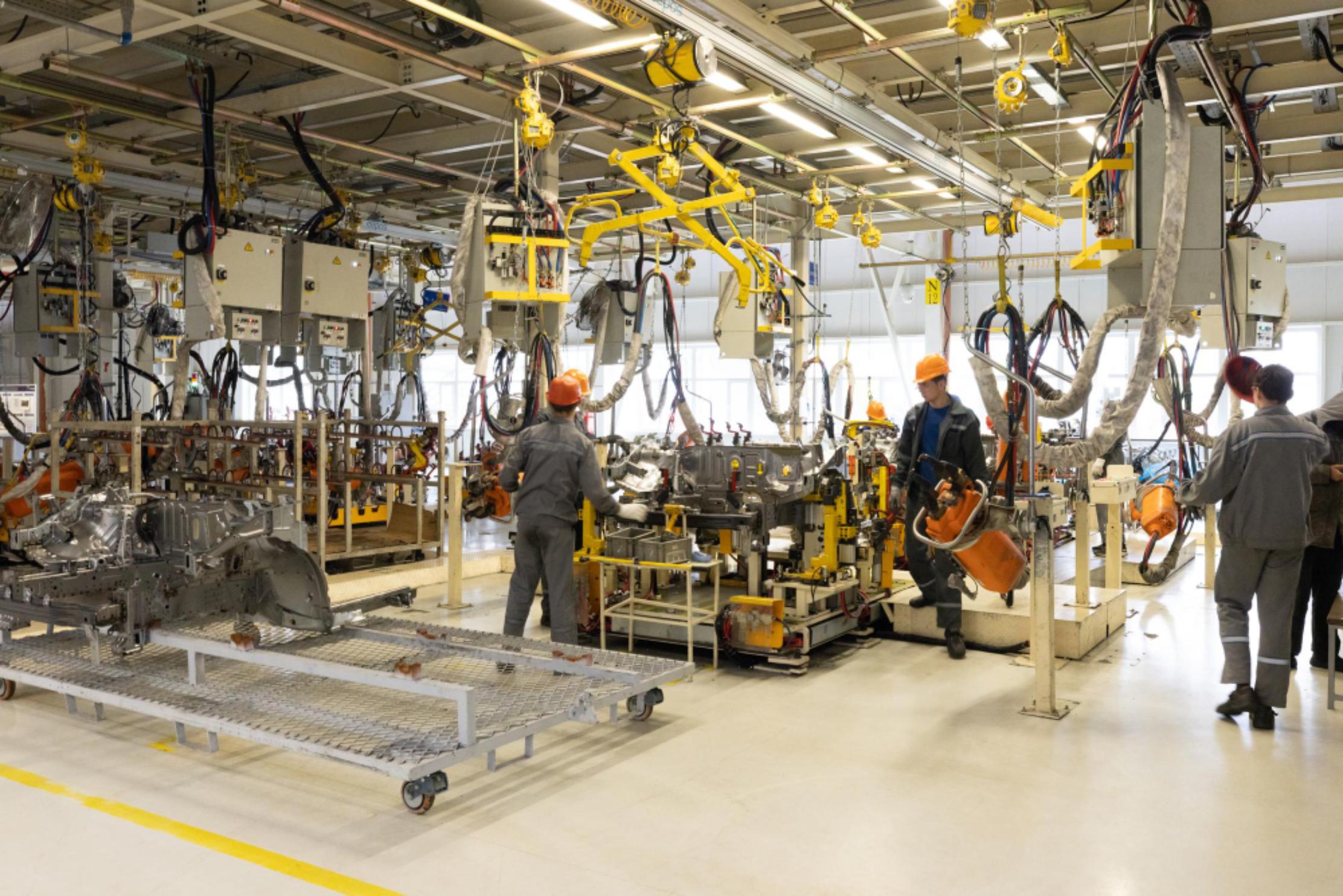
Five Pillars of Effective Workplace Planning in Vietnam
1. Start workforce planning early
Labor availability should be assessed before finalizing site selection. Differences between provinces can significantly affect hiring speed, cost, and retention.
2. Redesign roles for future work skills
Automation, digitalization, and sustainability are reshaping manufacturing roles. Job design must reflect future skill requirements, not legacy models.
3. Build talent pipelines, not just hiring targets
Successful manufacturers engage vocational schools, technical networks, and national talent pools early to secure scarce skills and reduce dependency on urgent hiring.
4. Invest in training and upskilling
Reskilling and development improve productivity and retention while reducing long-term hiring pressure - especially in high competition labor markets.
5. Use outsourcing strategically
Recruitment, staffing, and payroll outsourcing help foreign companies scale faster while ensuring compliance and operational stability during setup and expansion.
From Market Entry to Sustainable Operations
Workplace planning is the bridge between strategy and execution. Companies that succeed in Vietnam do not treat people as a variable cost. They treat workforce capability as a long-term asset. They plan early, use data, and work with partners who understand local labor realities.
When it comes to building or expanding a plant in Vietnam, foreign manufacturers often face:
- Tight hiring timelines
- Limited internal HR capacity
- Competition for technical skills
- Compliance complexity
Manpower Vietnam supports manufacturers through:
- Workforce planning & labor market mapping
- Mass recruitment & onsite RPO teams
- Engineering & technical talent solutions
- Staffing and flexible workforce models
- Payroll outsourcing & HR operations
👉 Discover Manpower Vietnam’s employer services: https://www.manpower.com.vn/en/for-employers