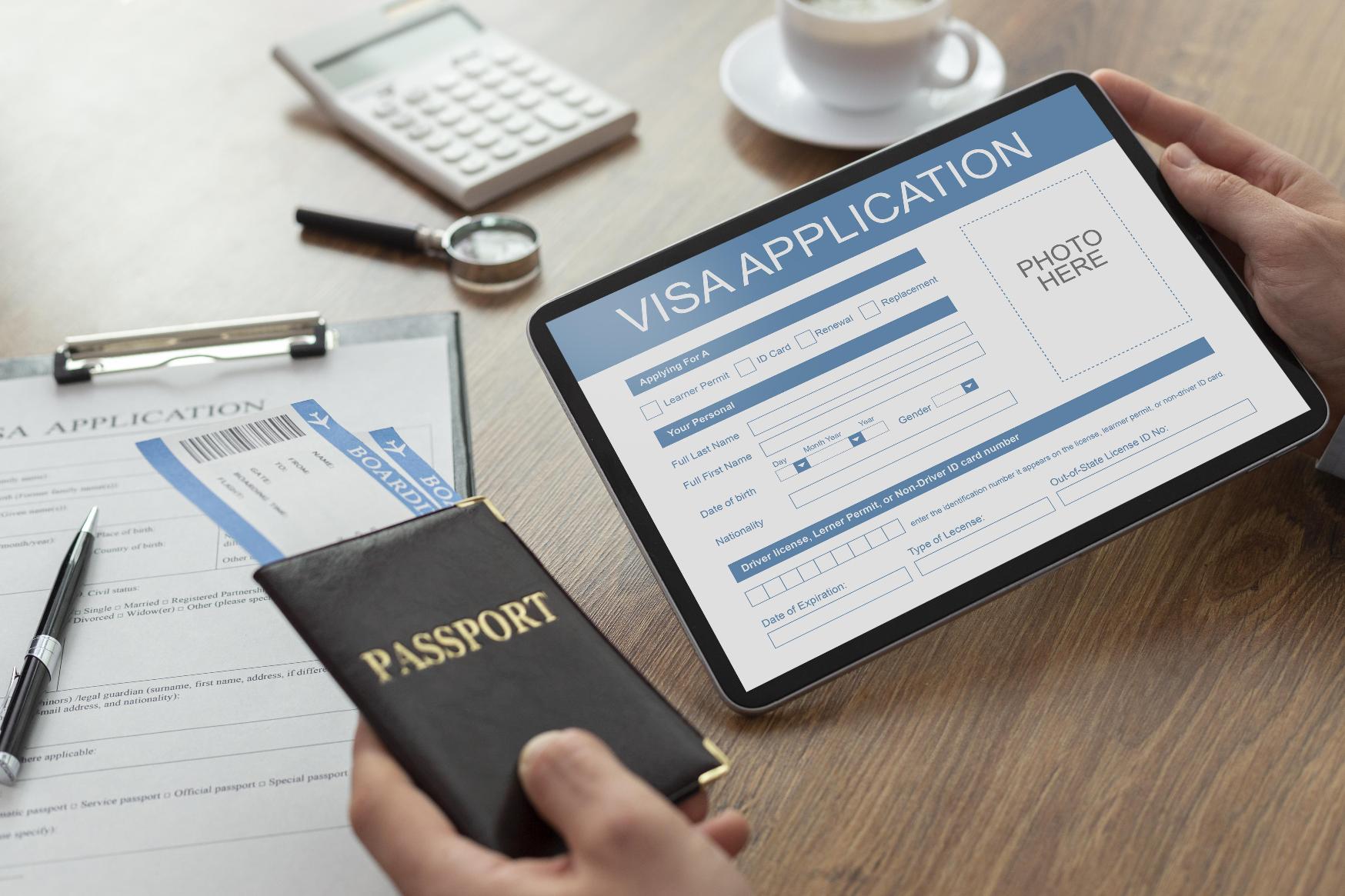
Confusing a visa, work permit, and temporary residence card (TRC) is one of the most common legal pitfalls foreign companies face in Vietnam. While a visa allows entry, only a work permit grants legal employment, and a TRC provides long-term residency. In this guide, we break down Visa vs Work Permit vs TRC in Vietnam—comparing their legal purposes, validity periods, application flows, and how they connect to ensure seamless foreign talent onboarding without compliance risks.
- A Visa allows entry and temporary stay.
- A Work Permit allows legal employment.
- A Temporary Residence Card (TRC) allows long-term residence.
- For most expatriate hires, the journey follows Visa → Work Permit → TRC.
What is a Visa?
Business Visa (DN1, DN2)
A business visa is issued to foreign nationals entering Vietnam for specified business activities, including:
- Attending business meetings
- Exploring investment opportunities
- Establishing a commercial presence in Vietnam
Note: A DN visa allows business activities only. Foreign nationals working in Vietnam must obtain a work permit or a work permit exemption certificate in accordance with Vietnamese labor regulations.
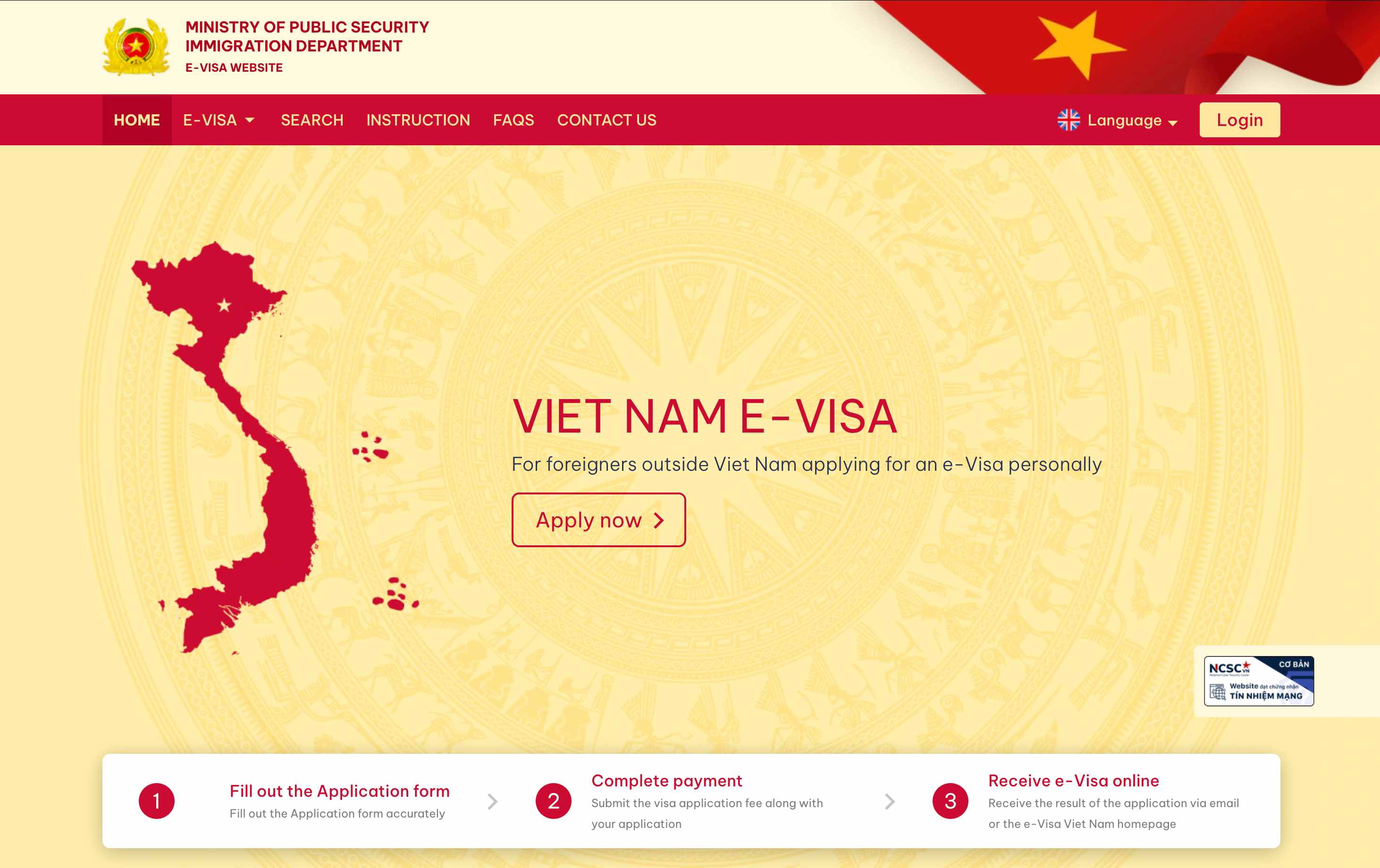
Types of Business Visas:
- DN1: Issued to foreigners working with enterprises or organizations that have legal status under Vietnamese law.
- DN2: Issued to foreigners providing services, establishing a commercial presence, or engaging in other activities under international agreements to which Vietnam is a party.
Validity: Up to 12 months
Conditions for Visa Issuance:
Under Article 10 of the Law on Entry, Exit, Transit and Residence of Foreigners in Vietnam, an applicant must:
- Hold a valid passport or international travel document.
- Be sponsored by a legally established organization or enterprise in Vietnam.
- Not fall under the cases prohibited from entry as stipulated in Article 21 of Law No. 47/2014/QH13.
- Provide documentation proving the purpose of entry:
- Foreign investors must have documents proving their investment in Vietnam in accordance with the provisions of the Investment Law;
- Foreigners practicing law in Vietnam must have a practice license as prescribed by the Law on Lawyers;
- Foreigners entering the country to work must have a work permit as prescribed by the Labor Code;
- Foreigners entering Vietnam for study must have an acceptance letter from a Vietnamese school or educational institution.
Required Documents:
- Visa application form (Form NA2)
- One recent photograph, size 4 x 6 cm
- Passport or valid international travel document
- Certified copy of the business license or decision issued by the competent authority regarding the establishment of the organization
- Letter of introduction with the official seal and signature of the authorized person of the organization
Application Process:
- Step 1: Prepare the required documents in accordance with the law
- Step 2: Log in to the Public Service Portal of the Ministry of Public Security using the VNeID of the sponsoring employer
- Step 3: Submit the documents using the electronic signature to confirm the requested information and pay the fee
- Step 4: Collect the result via the Public Service Portal of the Ministry of Public Security
What is a Work Permit?
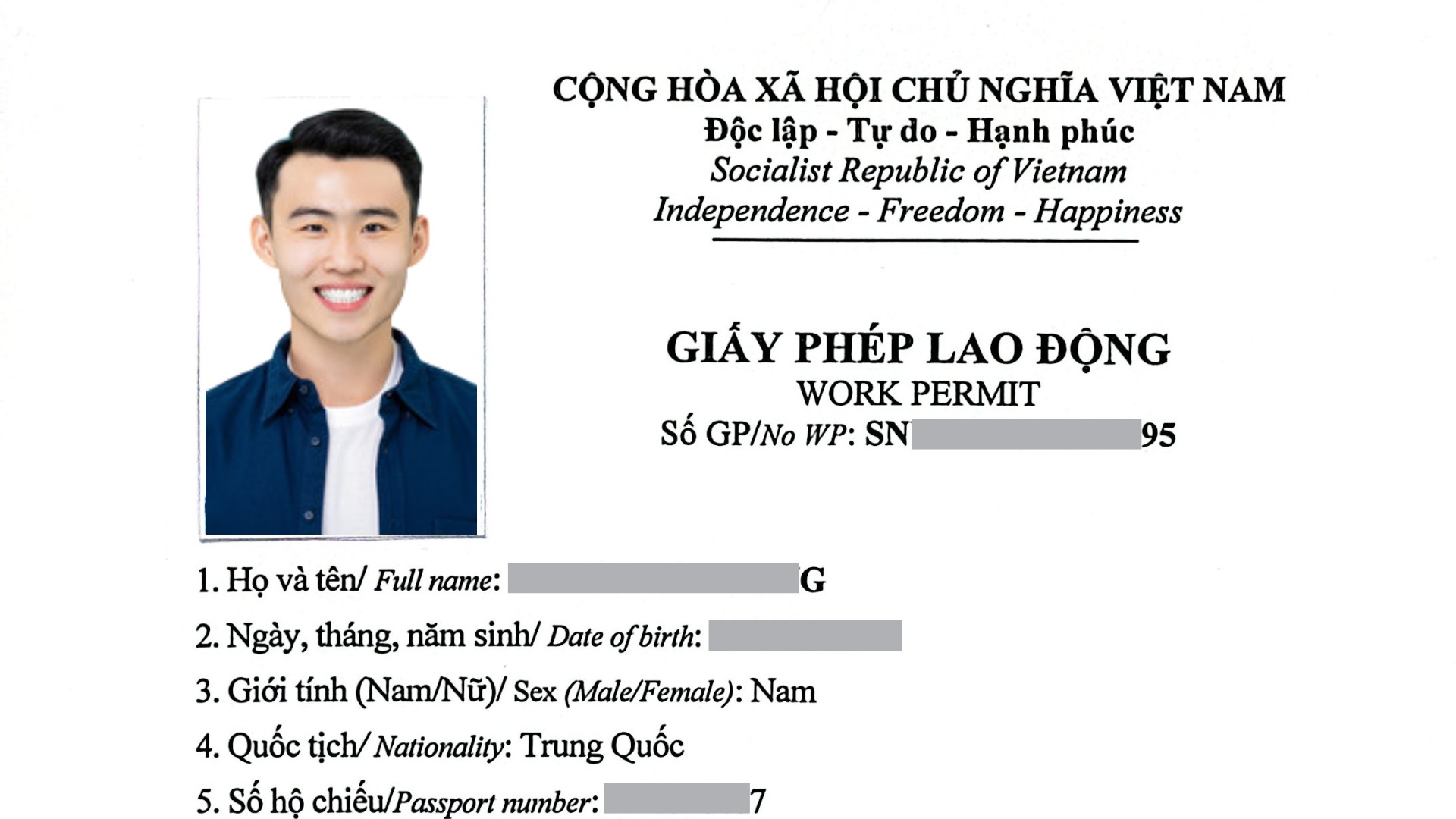
A work permit in Vietnam is an official authorization issued by Vietnamese authorities that allows foreign nationals to work legally for a specific employer in Vietnam.
Required Documents:
- Work permit application form (Form No. 03 under Decree No. 219/2025/NĐ-CP)
- A valid passport
- A health certificate issued within the 12 months preceding the date of submission
- A criminal record certificate issued within the 6 months preceding the date of submission
- Two recent passport-sized photographs (4x6cm, white background, taken within the last 6 months)
- Documents verifying the employment arrangement (such as a labor contract or internal assignment letter)
- Documents demonstrating that the foreign employee meets the criteria for a manager, executive director, expert, or technical worker (Article 19 of Decree 219/2025/ND-CP)
Foreign-issued documents are required to be consular legalized and translated into Vietnamese in compliance with applicable regulations.
Application Process:
- Step 1: Prepare the application dossier
- Step 2: Submit the application via the National Public Service Portal or through authorized service providers like Manpower Vietnam. (Submission timeline: Within 60 days before the expected start date and no later than 10 days before the foreign employee begins work)
- Step 3: Receive the result. The competent authority will process the application and issue the result within 10 working days from the date of receiving a complete and valid dossier.
- If approved, the work permit is issued
- If rejected, a written response will be provided clearly stating the reasons
Validity: Up to 2 years.
What is a Temporary Residence Card (TRC)?
A Temporary Residence Card (TRC) is a document issued by the immigration authorities or competent agencies of the Ministry of Foreign Affairs to foreigners who are permitted to reside in Vietnam for a certain period of time and can be used instead of a visa.
Conditions for TRC Issuance:
Under Article 36 of the Law on Entry, Exit, Transit and Residence of Foreigners in Vietnam 2014, applicants must fall within one of the following eligible categories to obtain a TRC:
- Case 1: Foreign nationals who are members of diplomatic missions, consular offices, representative offices of United Nations organizations, or intergovernmental organizations in Vietnam, together with their spouses, children under 18 years of age, and household staff accompanying them during their terms of office.
- Case 2: Foreigners issued with LV1, LV2, ĐT, NN1, NN2, DH, PV1, LĐ, TT visas shall be issued with temporary residence cards with the same symbols.
Required Documents (Clause 1 Article 37 of the Law on Entry, Exit, Transit and Residence of Foreigners in Vietnam 2014):
- A written request from the inviting or sponsoring agency, organization, or individual
- An application form (Form NA6 and NA8) for a Temporary Residence Card with the applicant’s photograph attached
- Passports
- Documents proving that the applicant falls within one of the eligible categories specified in Article 36 of this Law
Application Process:
- Step 1: Register and Log In
The sponsoring organization or applicant registers an account and accesses the application through the Public Service Portal of the Ministry of Public Security. - Step 2: Submit the Application
Complete the online application, upload the required supporting documents, and submit the dossier electronically. (Application intake: Monday to Saturday morning, excluding public holidays). - Step 3: Application Review
The immigration authority reviews and verifies the submitted information and supporting documents to determine eligibility for TRC issuance. - Step 4: Receive the Result
Upon approval, the Temporary Residence Card is issued and can be collected in accordance with the authority's instructions. (Result collection: Monday to Friday, excluding public holidays).
Validity: The TRC typically has a validity period of 1 to 3 years, depending on the type and purpose of residence.
Key Differences Between Visa, Work Permit, and TRC
| Criteria | Visa | Work Permit | TRC |
|---|---|---|---|
| Purpose | Allows foreign nationals to enter and stay in Vietnam for a specific purpose and duration. | Allows foreign nationals to work legally in Vietnam. | Allows eligible foreigners to reside in Vietnam for a longer period of time. |
| Validity | Up to 12 months | Up to 2 years | 1–10 years |
| Issuing Authority |
- Vietnam Immigration Department under the Ministry of Public Security
- Vietnamese overseas missions for certain visa routes |
Vietnamese competent authorities |
Vietnam Immigration Department under the Ministry of Public Security |
Employer Guide: When to Use a Visa, Work Permit, or TRC in Vietnam
While visas, work permits, and TRCs serve different purposes, employers should understand how they work together to ensure compliant hiring and a smooth onboarding experience for foreign employees in Vietnam. This is particularly important for companies using an Employer of Record model, where immigration procedures must be coordinated with employment contracts, payroll, benefits, and local compliance.
For most long-term foreign hires, the process follows a sequential pathway: Visa → Work Permit (or exemption) → TRC. Employers should plan these requirements alongside the wider cost of employing workers in Vietnam, including compensation, mandatory contributions, recruitment, and employee benefits.
| Case | Visa | Work Permit | TRC |
|---|---|---|---|
| Business meetings, site visits, and partner discussions | X | ||
| Technology transfer and local workforce training | X | X | |
| New factory setup and commissioning (greenfield project) | X | X | X |
| Newly established company deploying foreign management team | X | X | X |
| Expatriate relocation with accompanying family members | X | X | X |
Conclusion
Managing Visa, Work Permit, and Temporary Residence Card (TRC) requirements in Vietnam involves multiple authorities, regulatory layers, and strict documentation standards. Even for experienced employers, navigating these processes can be complex, time-consuming, and prone to delays if not properly aligned.
To address these challenges, many organizations partner with experienced workforce solutions providers to streamline foreign employee onboarding.
At Manpower Vietnam, we support employers by:
- Managing end-to-end processes for visa, work permit, and TRC applications
- Ensuring compliance with evolving labor and immigration regulations
- Reducing administrative workload for HR and operations teams
- Accelerating deployment timelines for expatriate employees
- Managing immigration procedures for dependents
With proven experience supporting large-scale foreign workforce deployment and market entry projects, Manpower helps companies efficiently and compliantly relocate expatriate employees and their family members to Vietnam.
Articles on the same topics:
.jpg)



.jpg)