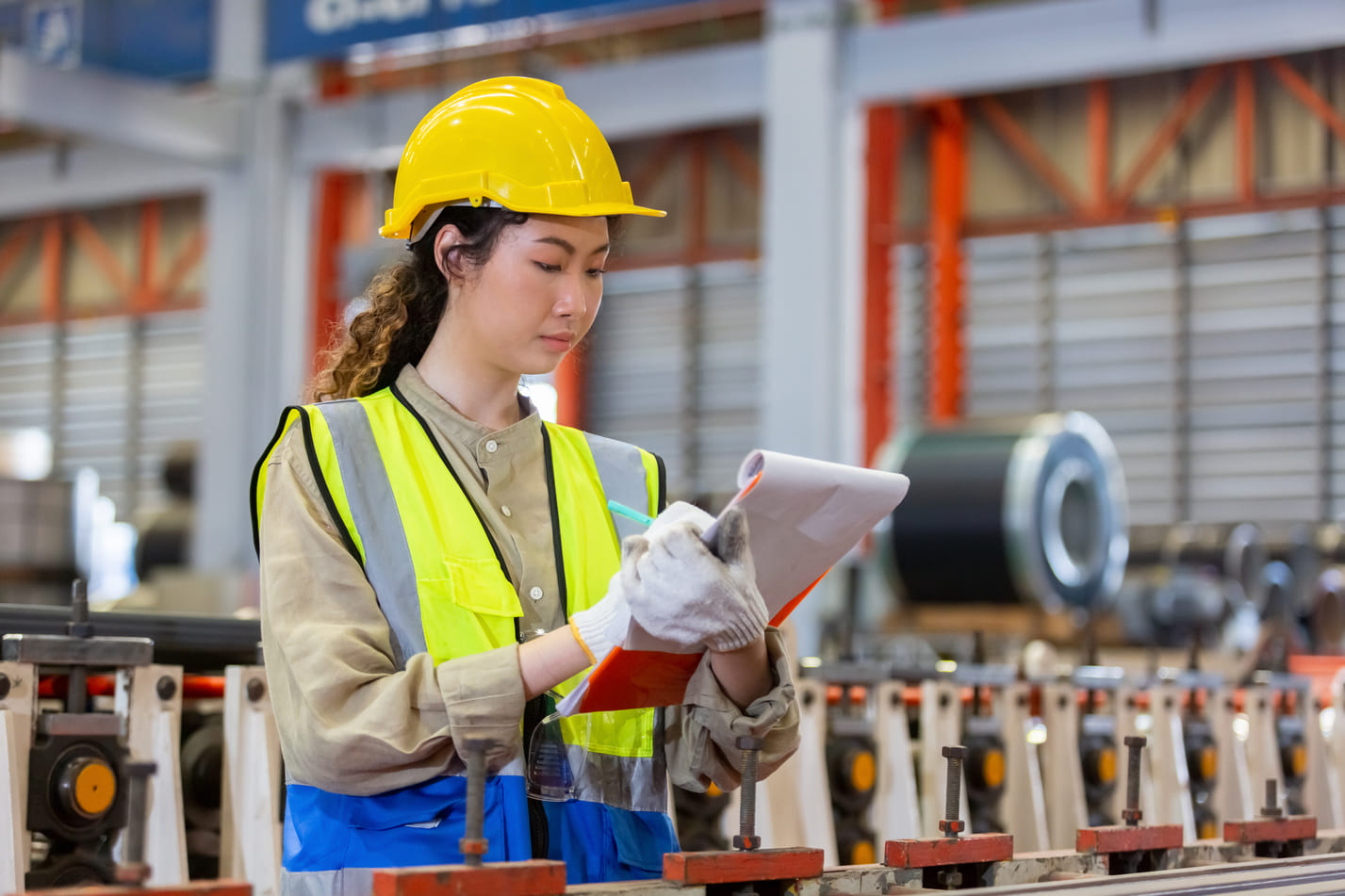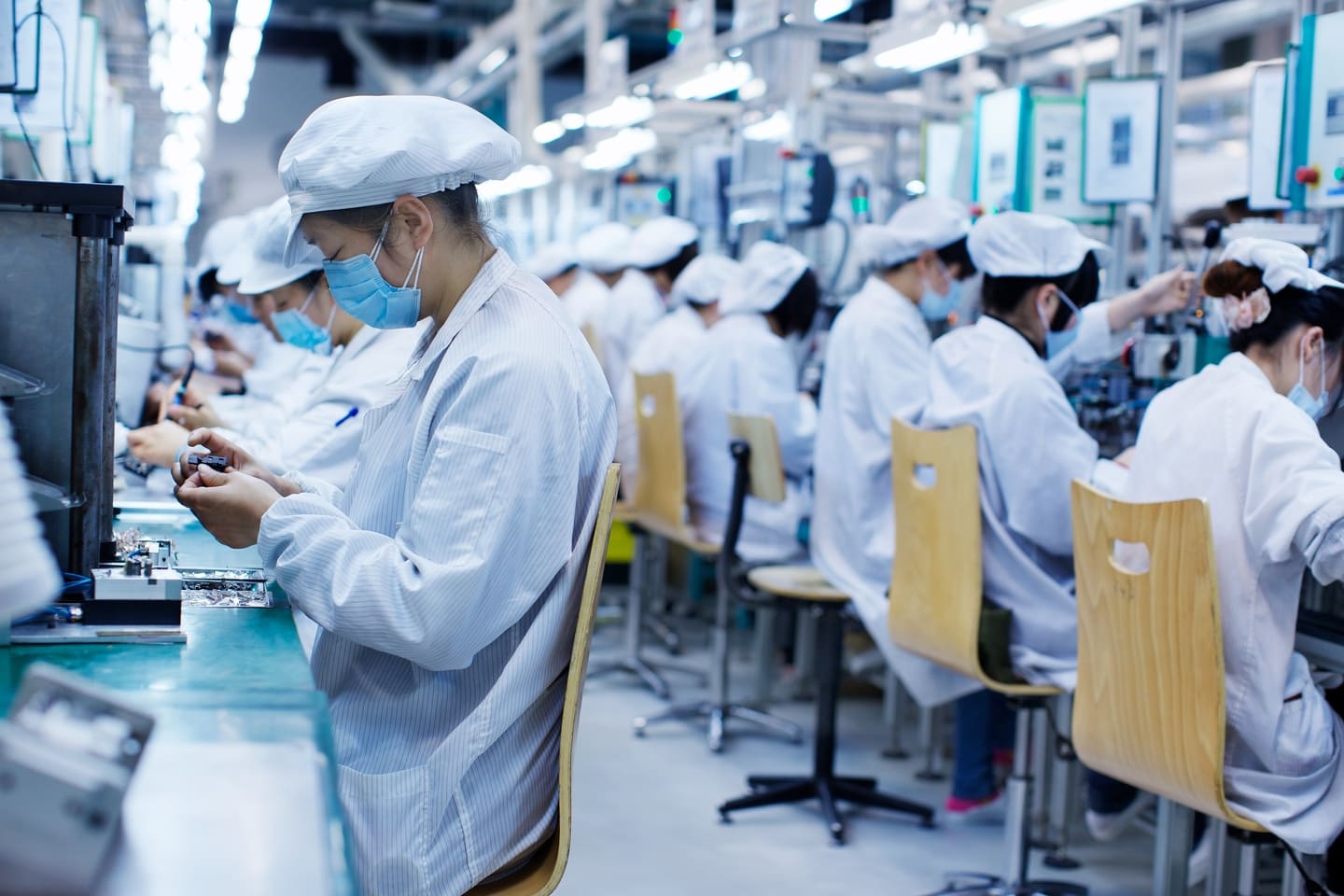
2 candidates apply for the same manufacturing role. Both have years of industry experience, strong resumes, and experience in similar production environments. On paper, they look equally qualified.
6 months later, their performance tells a different story. One is adapting to new systems, taking on new responsibilities, and improving performance. The other is struggling to keep pace with changing processes and operating requirements.
The difference is often not experience. It is capability.
This is where technical screening in manufacturing recruitment becomes critical. As manufacturing roles evolve faster than traditional resumes can reflect, employers need to look beyond what candidates have done in the past and assess whether they have the technical skills, learning ability, and adaptability to succeed in what comes next.
- Experience is not the same as capability. Manufacturing employers increasingly need to assess future potential, not just past experience.
- Manufacturing roles are evolving rapidly. Automation, digitalization, and changing production requirements are reshaping skill expectations.
- Technical screening should focus on three key signals: learning agility, problem-solving ability, and transferable skills.
- Capability gaps often appear before hiring shortages. Candidates may have relevant experience but lack the skills needed for future business needs.
- Technical screening is a workforce-planning tool. Hiring decisions today shape workforce capability, adaptability, and business performance tomorrow.
- The best hiring decisions balance experience and potential. Organizations that identify adaptable talent early are better prepared for workforce and technology changes.
Experience Is Not the Same as Capability
For decades, manufacturing recruitment followed a reasonably simple logic: find candidates with similar experience and place them in similar roles. That approach worked when technology adoption moved gradually and operating models remained relatively stable.
Today's environment is different. Manufacturers are introducing new automation, digital tools, quality systems, production technologies, and reporting requirements while facing persistent pressure to improve productivity. Globally, 72% of manufacturers continue to struggle to find the skilled talent they need. At the same time, many employers are adapting their operations to automation and technology-driven change.
As a result, years of experience alone are becoming a less reliable predictor of future performance. This is especially true in sectors where technology is reshaping jobs faster than career histories evolve.
Employers already facing skilled labor shortages across manufacturing sectors are increasingly discovering that finding people with the right title is easier than finding people with the right potential. The challenge is not simply identifying who has done the job before. The challenge is identifying who can succeed as the job changes.
Manufacturing Jobs Are Changing Faster Than Career Histories
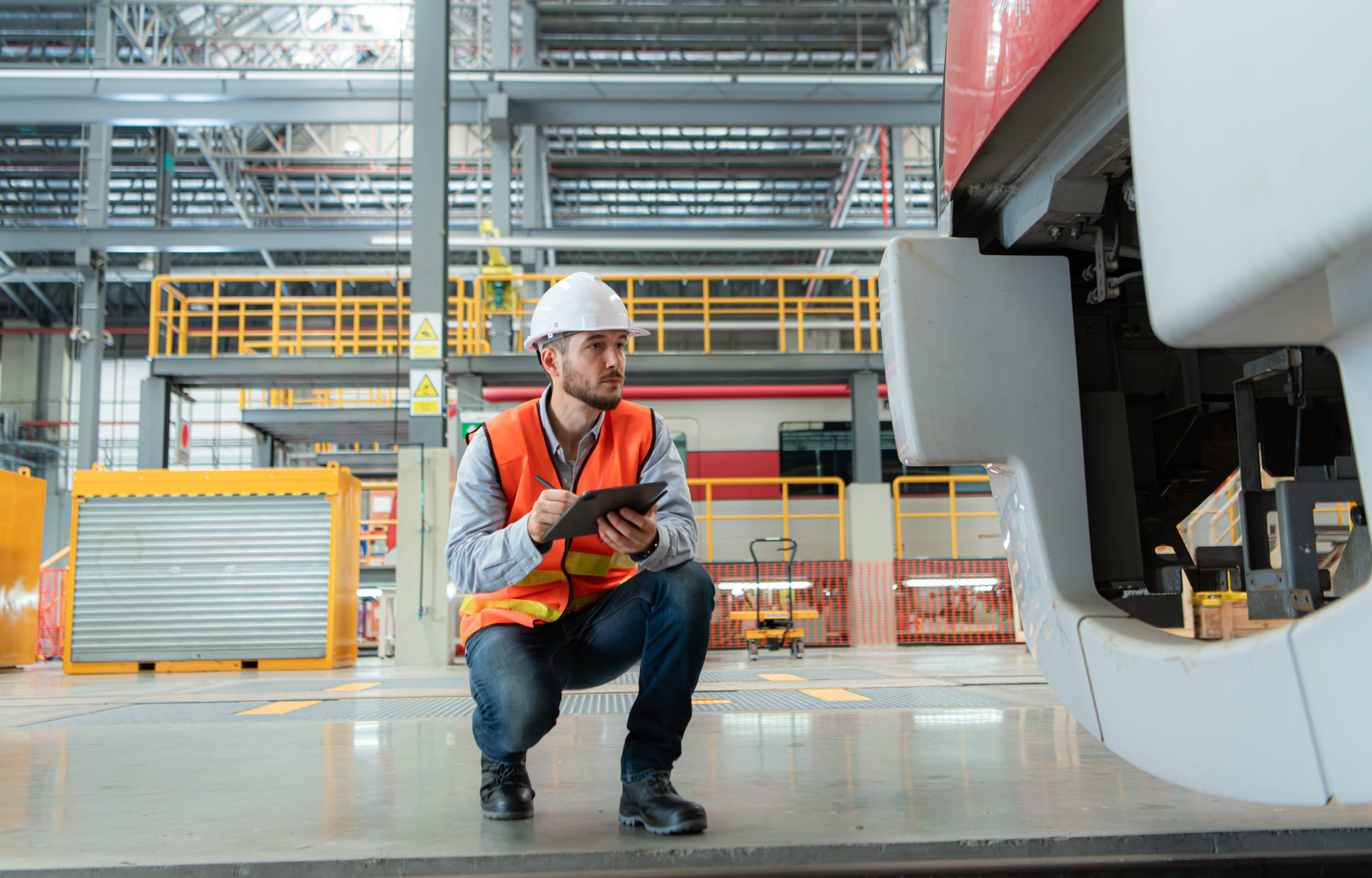
A maintenance technician hired ten years ago may have spent most of a career working in a highly manual environment. A maintenance technician hired today may be expected to troubleshoot automated equipment, interpret production data, and work across multiple operating systems.
The role title may be identical. The capability requirements are not.
This shift is already reshaping workforce needs across the manufacturing industry. Automotive employers are preparing for electrification, manufacturers are accelerating automation, and engineering teams are managing increasingly complex production environments. As highlighted in the 2026 manufacturing workforce trends, the challenge is not simply a shortage of workers. It is a growing skills gap, as workforce capabilities struggle to keep pace with rapidly evolving technologies and production requirements.
This is one reason many companies experience hiring frustration. Candidates may appear qualified based on experience, while lacking the skills needed for where the business is heading.
Understanding future capability requirements is therefore becoming as important as understanding current vacancies. In many cases, capability gaps often appear before hiring shortages, particularly in technical and engineering-intensive environments.
Three Signals That Often Matter More Than Experience
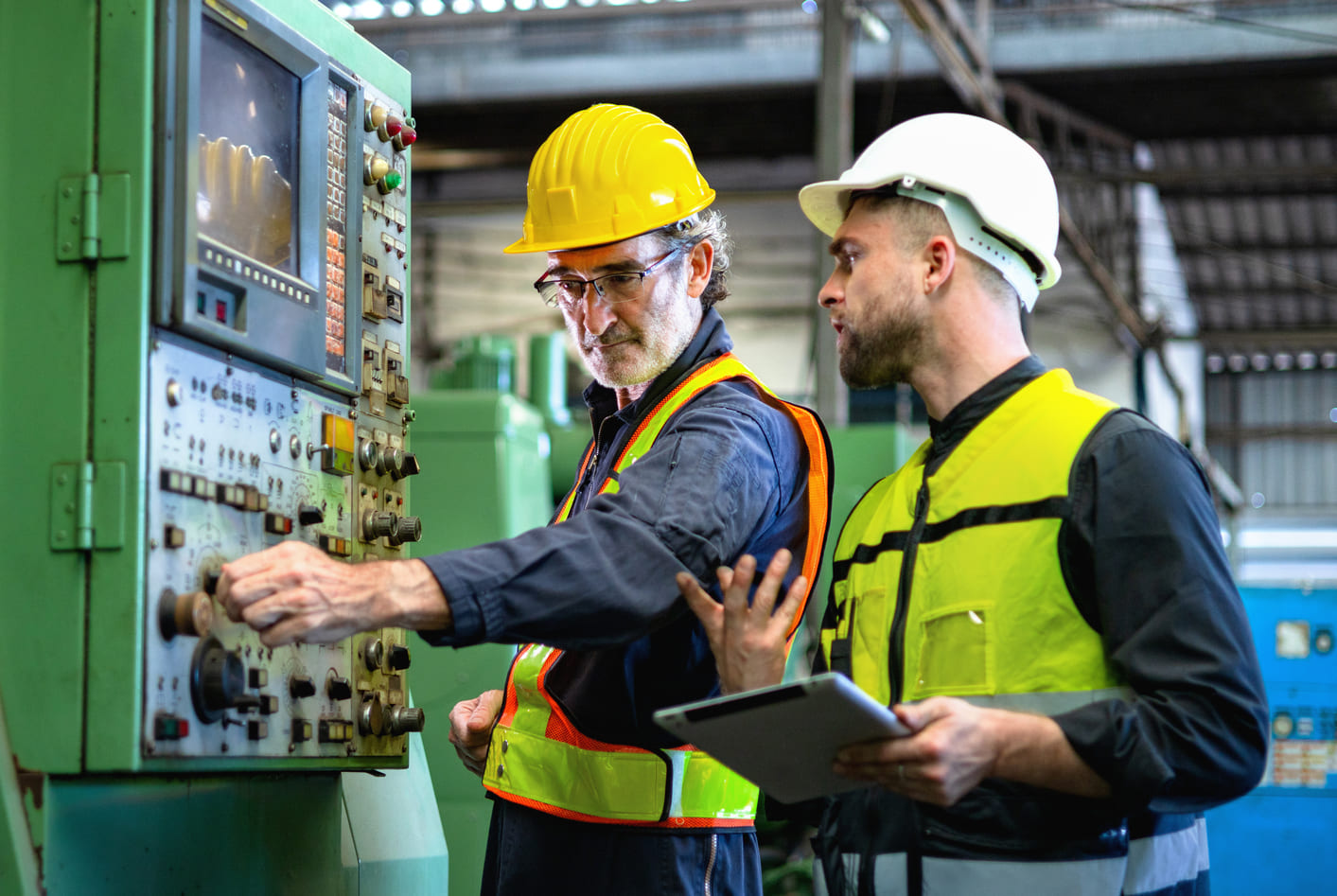
The best technical screening processes do not focus solely on past achievements. They evaluate signals that indicate future performance.
Learning agility
Manufacturing operations continue to introduce new technologies, systems, and procedures. Employees who can learn quickly often adapt faster when business requirements change.
Technical problem-solving
Production environments rarely remain static. New products, equipment upgrades, quality issues, and operational challenges require people who can diagnose problems rather than simply follow familiar routines. Recent engineering talent trends show that employers increasingly value adaptability and problem-solving alongside technical expertise.
Transferability
Some candidates may not have identical industry experience but possess capabilities that transfer effectively between environments. An engineer from electronics manufacturing may bring valuable process discipline into a different production setting. A technician with strong troubleshooting skills may adapt faster than someone whose experience is broader but less relevant.
This is why hiring for demonstrated capability rather than credentials has become an increasingly important discussion in talent acquisition. It shifts attention from where someone worked to what they are capable of learning, solving, and delivering.

Technical Screening Is Becoming a Workforce Decision
Many organizations still view technical screening as a recruitment activity. Increasingly, it is a workforce planning activity.
Every hiring decision influences future workforce capability. The people hired today will determine how effectively a business responds to automation, expansion, workforce turnover, and evolving production requirements tomorrow.
This perspective becomes particularly important when technical talent is scarce. According to Manpower Engineering 2026 Report, 73% of employers globally report difficulty finding skilled engineering talent. At the same time, rapid technological change is creating demand for capabilities that did not exist on the same scale only a few years ago.
Employers therefore face a different question than they did in the past. Instead of asking, "Has this person done the job before?" they increasingly need to ask, "Can this person grow into the job we will need next?"
That is the question technical screening should help answer.
Closing Thought
Experience remains valuable. It provides evidence of what a candidate has already achieved. But manufacturing employers are increasingly hiring for future environments rather than current ones. Technology changes, workforce demographics shift, and production requirements continue to evolve.
The strongest hiring decisions often come from understanding both experience and potential.
Organizations that identify learning agility, technical problem-solving ability, and transferable capability early may build stronger workforces than those relying solely on job titles and years of service. They are often better prepared for future workforce challenges and more resilient when labor markets tighten.
The next challenge is not simply finding talent. It is understanding how future capability needs will evolve, how workforce stability can be maintained over time, and when organizations should begin retaining experienced workers before critical knowledge leaves. Employers that answer those questions early typically have more options when labor availability changes and business requirements accelerate. For manufacturers looking to connect workforce planning with operational execution, the Manufacturing Workforce Solutions team at Manpower Vietnam helps translate workforce decisions into practical outcomes.
Scale Your Manufacturing Workforce
FAQs
Technical screening helps employers look beyond job titles and years of experience to understand whether candidates have the capabilities needed to perform, adapt, and grow as manufacturing roles evolve.
Manufacturing roles are changing as automation, digital tools, quality systems, and production technologies evolve. Previous experience shows what a candidate has done, but it may not show how effectively they can adapt to new operating requirements.
Technical screening should consider relevant technical capability as well as learning agility, problem-solving ability, and transferable skills that indicate how effectively a candidate may respond to changing technologies and production requirements.
As manufacturers introduce new technologies, systems, and procedures, employees need to learn continuously. Candidates with strong learning agility may be better positioned to adapt as jobs and operational requirements change.
Manufacturing environments regularly face equipment changes, quality issues, new products, and operational challenges. Strong technical problem