
Vietnam is accelerating its green transition with clear national goals and strategies. Drawing on nearly 20 years of experience in human resources, Ms. Cao Le Thanh Loan, Senior Director at Manpower Vietnam, has supported many businesses in building sustainable workforce strategies. In today’s ESG - driven landscape, she emphasizes that “going green” is no longer optional - it has become a prerequisite for participating in global supply chains.
“Going Green” - A Passport to Compete in the ESG Era
Around 79% of businesses, particularly in major markets such as the EU, Germany, the United States, and Australia, consider ESG performance a key factor in investment decisions. Alongside Vietnam’s commitment to achieving net - zero emissions by 2050, it is clear that sustainability is no longer a trend, but a fundamental requirement for global integration.
In Vietnam, 89% of companies have plans to establish ESG commitments within the next 2 - 4 years. However, a major gap is emerging while demand for green roles is growing rapidly - at twice the pace of workforce skill development - 94% of employers still struggle to find qualified talent.
These figures highlight a critical challenge: the issue is not technology or capital, but workforce readiness for a new economic reality.
So how should businesses approach green hiring? Today’s employers are not just looking for degrees - they are looking for individuals who understand environmental impact, can optimize resources, and think sustainably. The real question is: where do we start, and how do we build these capabilities effectively?
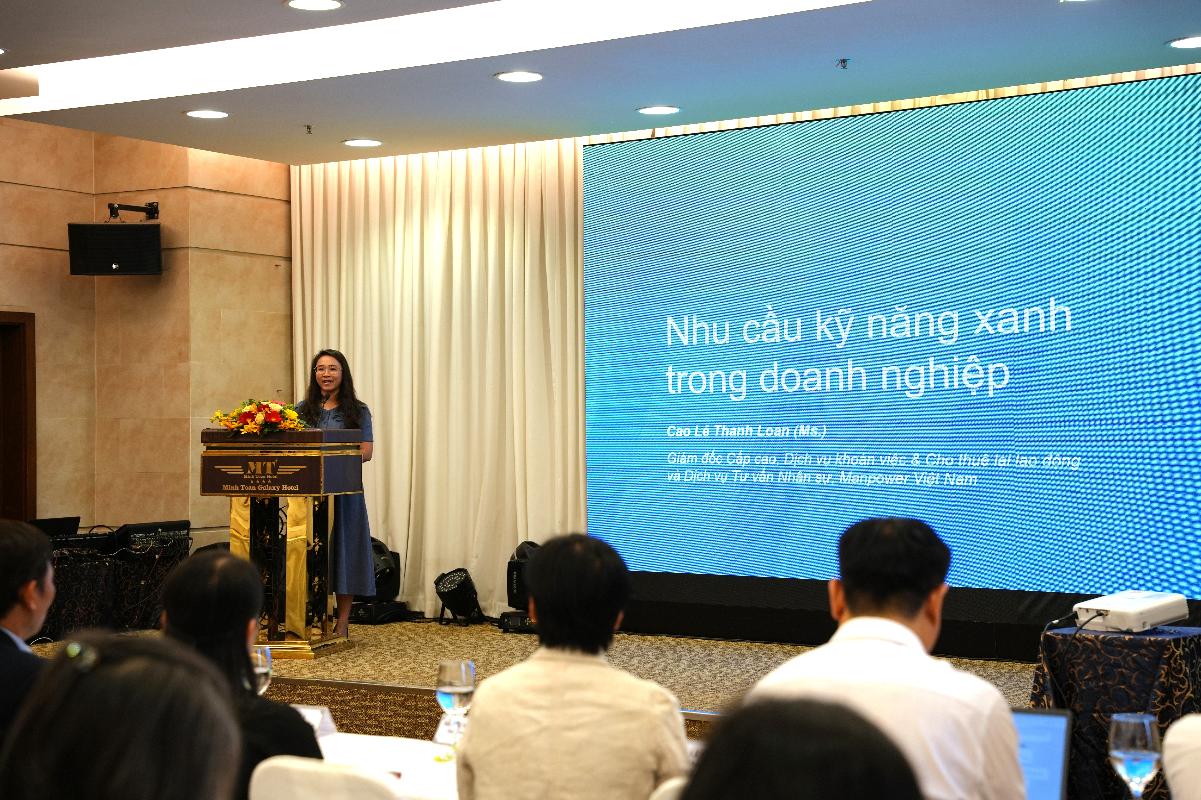
What Are Green Jobs? Understanding the Skills Behind Sustainable Work
A key starting point is understanding what “green jobs” truly means. Without this clarity, businesses risk overlooking valuable talent already within their organizations.
According to ManpowerGroup, green jobs can be categorized into three main types:
- Green Jobs: Traditionally focused on environmental science and outdoor work, these roles involve scientists, engineers, and skilled workers who directly contribute to environmental protection.
- Green+ Jobs: These roles require a combination of scientific knowledge, technical expertise, and practical experience to create positive environmental impact - either directly or indirectly. Even traditional roles can fall into this category if they require modern systems-thinking and sustainability integration.
- Turquoise Jobs: These roles are embedded across core business functions and play a critical role in long - term growth and adaptability. They are increasingly important for designing sustainable solutions and developing green business models.
What connects all these roles is the need for green skills - a combination of technical expertise, soft skills, values, and mindset that enables individuals to contribute to a more sustainable society.
Building Green Talent from the Ground Up: The Role of Education
While 62% of candidates actively research an employer’s sustainability practices before accepting a job - and 35% consider it a deciding factor - the current talent pipeline struggles to meet expectations. One root cause is that many vocational training programs still focus heavily on traditional technical skills.
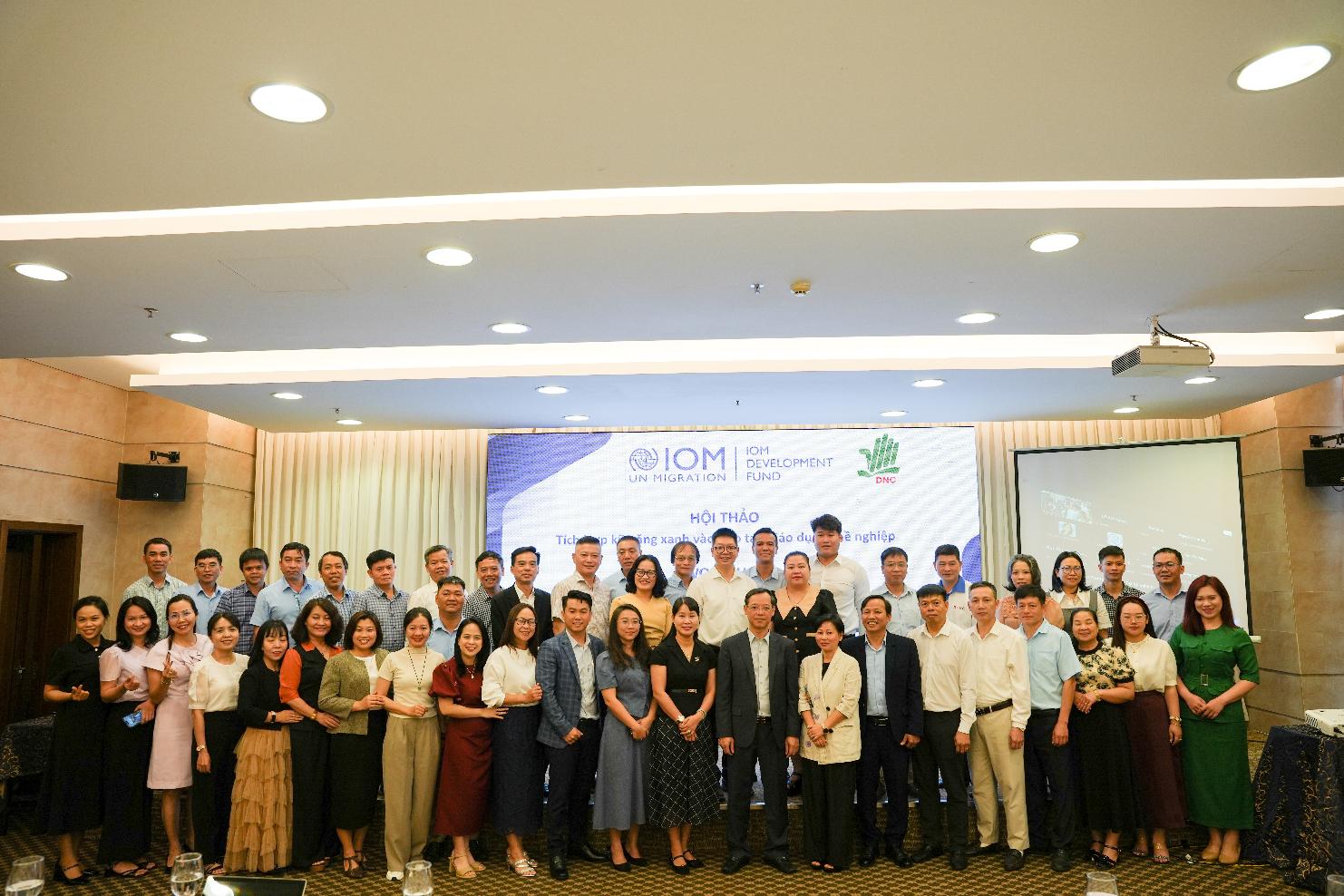
At a recent workshop on integrating green skills into vocational education, co - organized by the United Nations (UN), IOM, and the Department of Vocational and Continuing Education and Training, a common question emerged among businesses and educators alike: Where do we begin, and how can we implement green skills training effectively?
From a workforce expert’s perspective, solutions must start early and be implemented systematically through three key approaches:
1. Embed Green Skills into Strategy and Culture
Green skills should not be treated as standalone certifications. Instead, they need to be integrated into the entire curriculum and institutional culture. This ensures students are continuously exposed to sustainability principles, helping them develop the mindset and behaviors that employers are seeking.
2. Align Training with Market Needs
Educational institutions should partner closely with businesses and industry associations to stay updated on real - world demands. Integrating practical “green challenges” into coursework allows students to apply their knowledge while still in school, making them more job - ready upon graduation.
3. Start Small, but Think Long - Term
Training and upskilling educators is essential. Only when instructors fully understand the environmental impact of actions can they effectively guide students to adopt new ways of thinking and working.
At the same time, facilities, operational processes, and learning environments should reflect real-world sustainability practices. When students learn and live in a green environment, adopting green skills becomes more natural and impactful.
Looking Ahead: Green Skills as the Future of Work in Vietnam
In the context of global green transformation, green skills are becoming one of the most valuable competitive advantages for workers. Equipping individuals with these skills not only helps protect the environment but also safeguards their long-term career prospects.
For businesses, this is a key to reducing operational risks and maintaining competitiveness in global supply chains.
By proactively integrating practical green skills training, vocational institutions can help address the talent shortage while empowering Vietnam’s young workforce to confidently shape a sustainable future.
Author
Cao Le Thanh Loan, Senior Director, Staffing & Outsourcing Services and HR Consulting Services, Manpower Vietnam
.jpg)