As Vietnam strengthens economic cooperation with Switzerland and other European partners, talent development has become a more prominent topic in discussions about the country's long-term competitiveness.
That was one of the key themes at the Swiss-Viet Economic Forum (SVEF) 2026 in Hanoi. Speaking during the forum's workforce development panel, Bich Nguyen, Manager of Marketing & Corporate Affairs at Manpower Vietnam, shared Manpower's perspective on what will shape the next phase of Vietnam's talent advantage.
While Vietnam continues to build a strong pipeline of technical and digital talent, workforce readiness remains a priority for many employers operating in increasingly global business environments.
To view photos and highlights from the discussion, click here.
Vietnam's Talent Advantage Is Evolving
Vietnam remains an attractive investment destination thanks to its large workforce, growing STEM talent pipeline, and increasing adoption of digital technologies. The country has established itself as an important hub for manufacturing, engineering, technology, and business services, supported by a workforce that has shown a strong ability to learn and adapt.
These strengths continue to attract foreign investment across a range of industries. However, for many employers, technical capability is only part of the equation.
As organizations expand operations and localize leadership, they increasingly look for employees who can collaborate across teams, communicate effectively with stakeholders, adapt to changing business requirements, and perform in multicultural environments.
According to Bich, this is where workforce readiness becomes an important factor in sustaining Vietnam's competitiveness.
What Employers Are Looking For
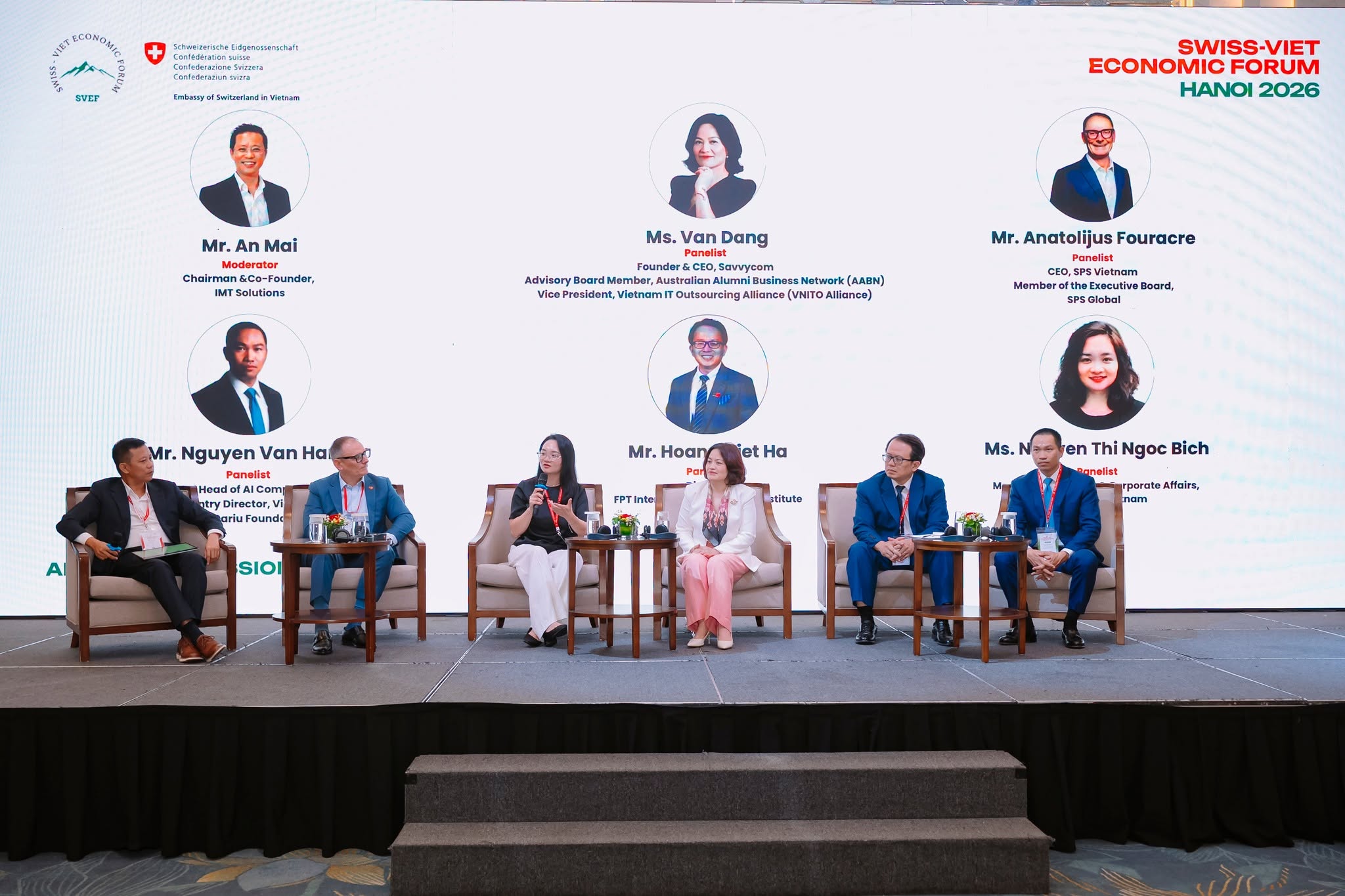
Many workforce discussions focus on technical skills shortages. Employer experience often points to a different challenge.
According to ManpowerGroup 2026 research, the three most difficult soft skills to find are:
- Communication, Collaboration & Teamwork (38%)
- Adaptability & Willingness to Learn (35%)
- Professionalism & Work Ethic (33%)
These capabilities influence how effectively employees contribute within organizations, particularly those operating across multiple markets and functions.
Communication and collaboration help connect local teams with regional and global stakeholders. Adaptability supports the adoption of new technologies, processes, and ways of working. Professionalism and work ethic contribute to accountability, consistency, and long-term career growth.
"As businesses become more connected and technology-enabled, employers are assessing a broader set of capabilities," said Bich Nguyen. "Technical skills remain important, but workforce readiness increasingly determines how quickly talent can contribute and grow."
For investors building teams in Vietnam, understanding these workforce dynamics can help shape hiring, onboarding, and talent development strategies from the outset.
Strengthening Workforce Readiness Through Partnership
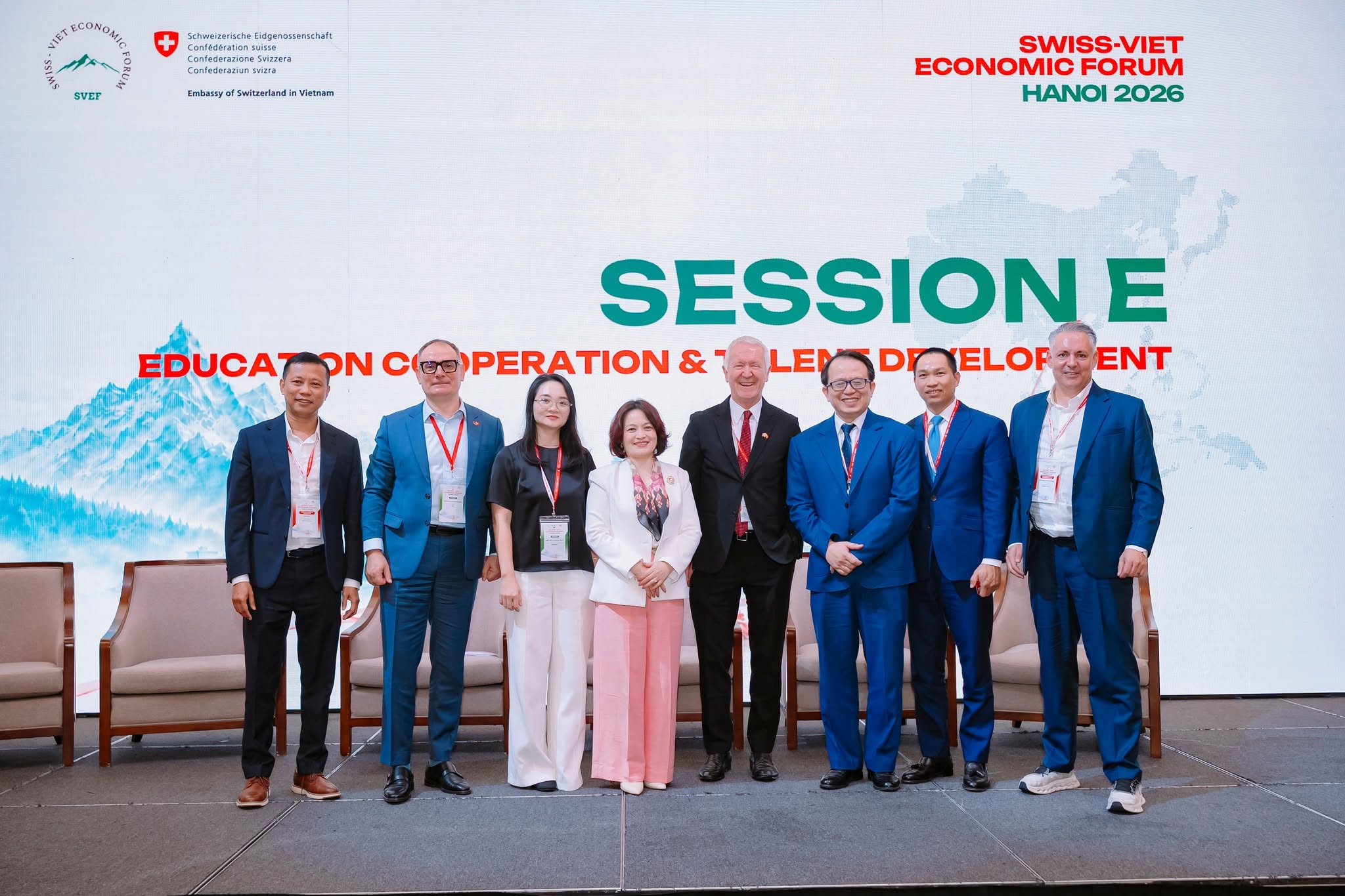
Workforce readiness is not developed by employers alone. The discussion at SVEF highlighted the value of collaboration among businesses, educators, workforce specialists, and policymakers.
One area of opportunity is the development of stronger skills frameworks that align education outcomes with workplace expectations. International companies can contribute by sharing competency standards, career pathways, and training practices that help bridge the gap between education and employment.
Career orientation is another area that deserves greater attention.
Structured career guidance is still not equally accessible across all segments of the workforce. Earlier and broader access to career orientation can help people make better education and career decisions while reducing skills mismatches across the labor market.
The panel also discussed the importance of recognizing untapped talent pools.
This includes individuals with invisible disabilities such as dyslexia, neurodiverse talent, career returners, and other groups whose capabilities may be overlooked through traditional hiring approaches. Expanding access to opportunity allows businesses to widen their talent pipeline while building a more inclusive workforce.
Talent Development Is a Business Investment

One of the key messages shared during the discussion was that workforce readiness should not be viewed solely as an education issue.
Organizations play an important role in developing talent after hiring. Communication, leadership, professional judgment, and business acumen are often built through workplace experience, mentoring, coaching, and continuous learning.
Businesses that invest in people development are often better positioned to adapt to changing skill requirements, strengthen internal mobility, and prepare future leaders.
As job requirements continue to evolve, employers are likely to place greater emphasis on learning agility and transferable skills alongside technical expertise.
This perspective also aligns with ManpowerGroup's Human First, Digital Always approach. As AI and digital tools become more widely adopted, human capabilities such as communication, adaptability, and judgment become increasingly valuable. Technology may accelerate work, but people remain central to business performance.
Conclusion
The discussion at SVEF 2026 highlighted an important shift in how Vietnam's talent advantage is viewed.
Technical capability is becoming more widely available across the workforce. The next stage of competitiveness will depend on workforce readiness and the ability to help more people participate meaningfully in the economy.
For employers, that means investing in human skills, expanding access to untapped talent, and supporting continuous development throughout the employee lifecycle.
For international investors evaluating Vietnam, workforce readiness may become one of the most important drivers of sustainable growth in the years ahead.
Labor market conditions vary significantly by industry, location, and business model. For organizations seeking more detailed insights into Vietnam's talent landscape and workforce trends, contact Manpower Vietnam to continue the conversation.